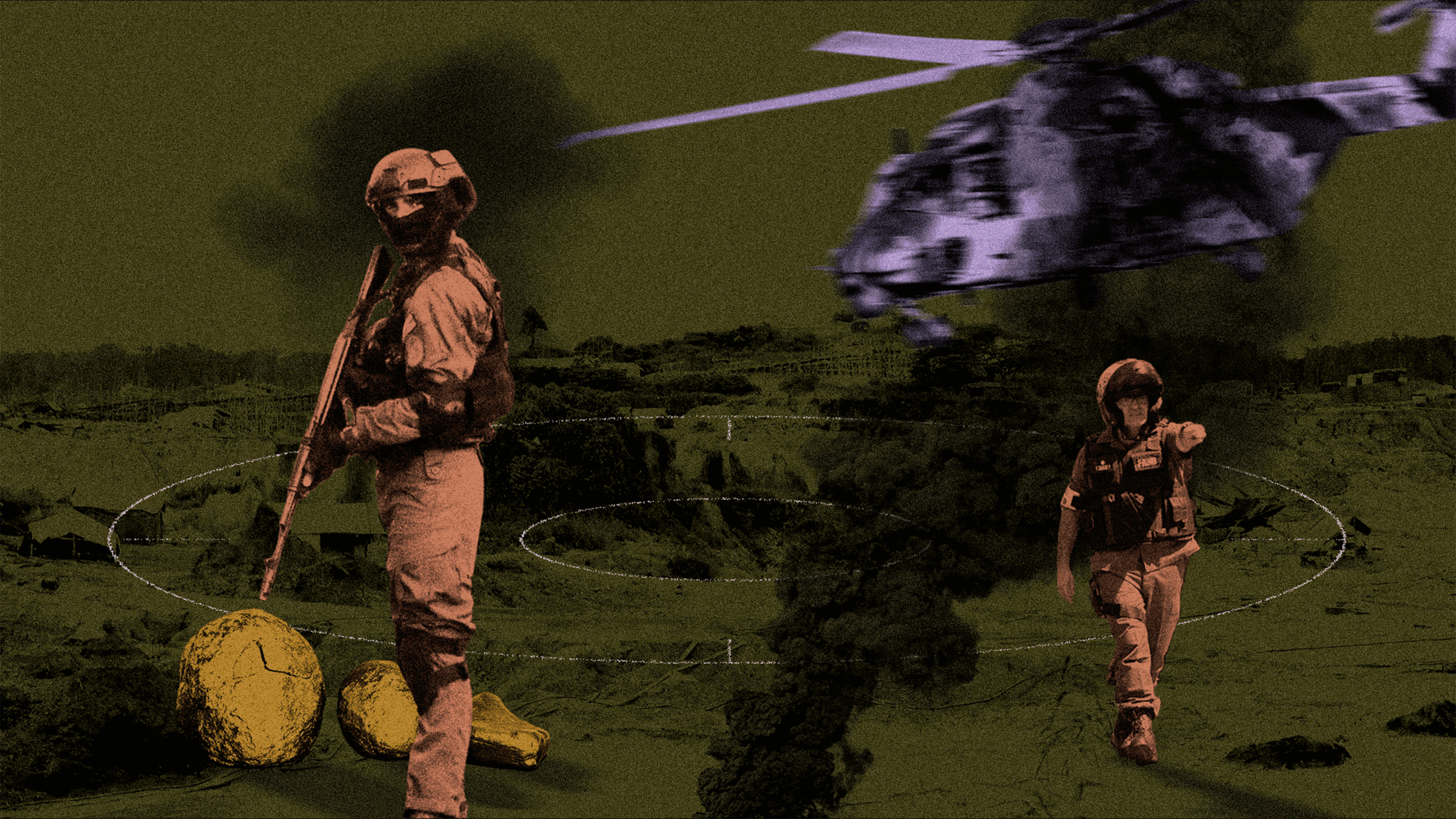
In Las Claritas, the heart of Venezuela’s mining region, cracks began to appear in the alliance between organized crime, political power, and security forces. A military operation targeting mines controlled by illegal armed groups, followed by the U.S. announcement of the alleged killing of Tren de Aragua leader “Niño Guerrero,” signals an attempt to reconfigure power in southern Venezuela, a strategic region due to its vast gold reserves and its role in the new negotiations between Caracas and Washington.

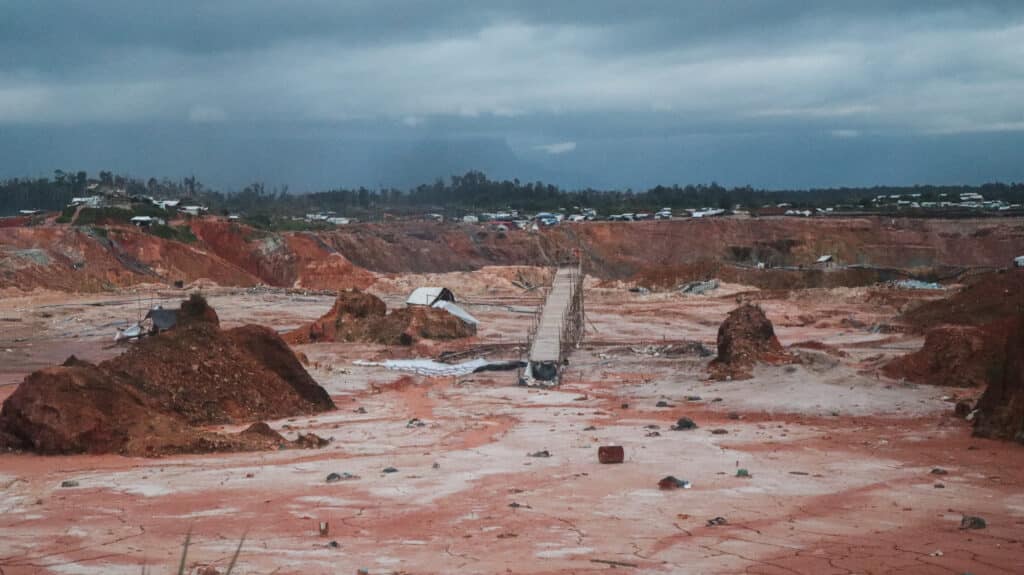
Three explosions shook windows, curtains, and doors, frightening residents. “What’s happening?” wondered a woman in the El Paraíso neighborhood, located along the road to a gold deposit.
“It was horrible, residents were arriving in tears saying they had bombed Brisas and that people were dead and wounded,” said a neighbor from the Lomas del Sinaí community, who told Amazon Underworld she had heard the detonations from there.
“Were there deaths?”
“Yes, and injuries too,” the woman replied.
However, to date, no official source has confirmed this.
On the morning of Tuesday, June 9, helicopters flew at low altitude over the mines of Las Claritas and Kilómetro 88, in the Sifontes municipality of Bolívar state. While soldiers advanced toward mining camps controlled by armed groups, rumors swept through the town of confrontations, raids and explosions in gold-mining areas under criminal control.
For years, these enclaves in southern Venezuela had operated within a system in which armed groups, political actors, and sectors of the security forces coexisted around the gold trade.
Three days later, U.S. President Donald Trump posted a video on his Truth Social account. At the center of the aerial shot, a structure built on what was once jungle comes into view, with a lightweight roof made of corrugated zinc panels, a plastic water tank, and a smaller building beside it. A few seconds later, everything explodes. Debris flies like confetti, the only thing visible beneath a dense, towering column of black smoke rising so high it nearly reaches the camera.
Trump claimed the strike had killed Héctor Rusthenford Guerrero Flores, alias “Niño Guerrero,” the leader of Tren de Aragua, during an operation carried out on Venezuelan soil. Washington did not specify the exact location or present conclusive evidence of the criminal leader’s death, nor did the Venezuelan government.
Five months after Nicolás Maduro’s capture by U.S. security forces – an event that ushered in a new era of relations between the Venezuelan government of Delcy Rodríguez and the Trump administration – and nearly three months after Caracas enacted a new mining law allowing the return of foreign investment, these developments suggests a possible reconfiguration of power in southern Venezuela.
The movement of troops, the intervention in enclaves dominated by “El Sistema,” and the alleged killing of “Niño Guerrero” appear to mark the beginning of a new phase in the struggle for control of what was known as the Orinoco Mining Arc, an area demarcated in 2016 but one that no longer appears under that name in the new mining regulations.
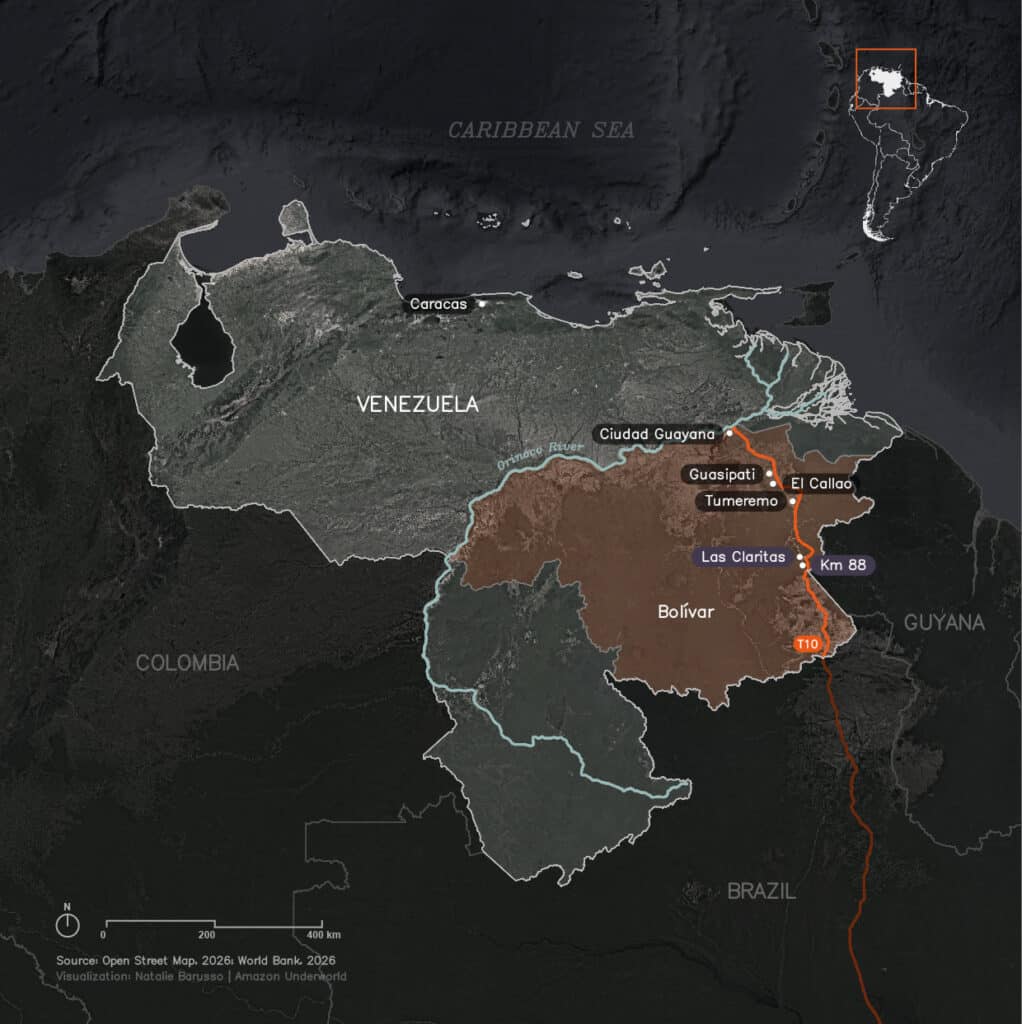
WHAT IS LAS CLARITAS?
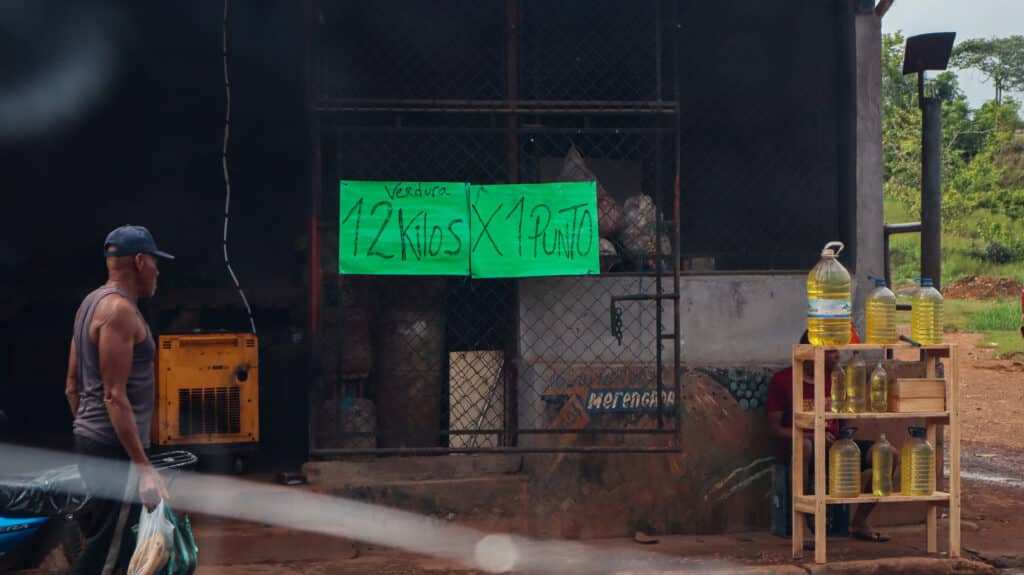
Las Claritas is a town with bustling commercial activity, marked by a constant flow of motorcycles and simple wooden, zinc, and concrete homes. Its electrical grid is erratic, with outages lasting up to 16 hours a day. The main street is half-paved, while the side streets are unpaved dirt roads. In shops, cash registers have been replaced by scales for weighing gold, and the bolívar is no longer used as a currency. Unlike in other gold-mining areas, some mines are just ten minutes from town.
It is one of the largest gold-mining hubs in Venezuela and the continent. Located in the Sifontes municipality in southeastern Bolívar state, Las Claritas lies near Las Cristinas, one of the world’s largest gold deposits – ranked fifth globally as of 2016 – with proven reserves of 16.9 million ounces.
Venezuela’s deep economic, social, and political crisis over the past fifteen years has turned Las Claritas into a hub for civilians from across the country, many of them professionals now working in low-paid jobs, seeking gold as a means of survival. Civilians are not the only ones drawn to the area. Domestic and foreign armed groups, attracted by gold as a source of revenue for their illicit activities, have also established a presence in the southern region.
In the town of San Isidro, where Las Claritas and Kilómetro 88 are located, the official population is approximately 15,000 people. However, local sources estimate that the real figure reaches around 70,000 when accounting for the mining workforce.
or more than a decade, Las Claritas has been subjugated and controlled by the criminal organization known as the “Sindicato de Juancho” or “Sistema.” The name is no coincidence: the armed group operates as a parallel system of criminal governance.
Behind the Las Cristinas deposits lie significant corporate interests. Canadian mining company Crystallex lost its exploitation contract when Venezuela rescinded it in 2011 and later won an international arbitration against the state for $1.4 billion dollars.
Another company, Gold Reserve, suffered a similar fate after the expropriation of its Brisas project in 2009, securing an award of $740 million dollars. Both companies have spent years attempting to collect the compensation.
Following Maduro’s capture, Gold Reserve announced its return and denounced that its deposits were being exploited “with Chinese technology under the supervision of the Cartel de los Soles.” Ironically, that same month, the U.S. Department of Justice quietly amended its charges against Maduro, acknowledging that the Cartel de los Soles was not an actual criminal organization but rather a system of patronage and corruption.
Gold Reserve, in partnership with Augusta Capital, intends to develop the Siembra Minera project, which combines the Brisas and Las Cristinas deposits and is estimated to contain approximately 52.2 million ounces of gold
WHAT IS HAPPENING IN LAS CLARITAS?
Las Claritas and Kilómetro 88 were the site of an intense deployment of the Bolivarian National Armed Forces and the mobilization of armed groups last week. According to some reports, the operation also involved inspections of infrastructure belonging to the Venezuelan Mining Corporation (CVM), helicopter overflights, and the evacuation of mining camps at Las Cristinas gold deposit.
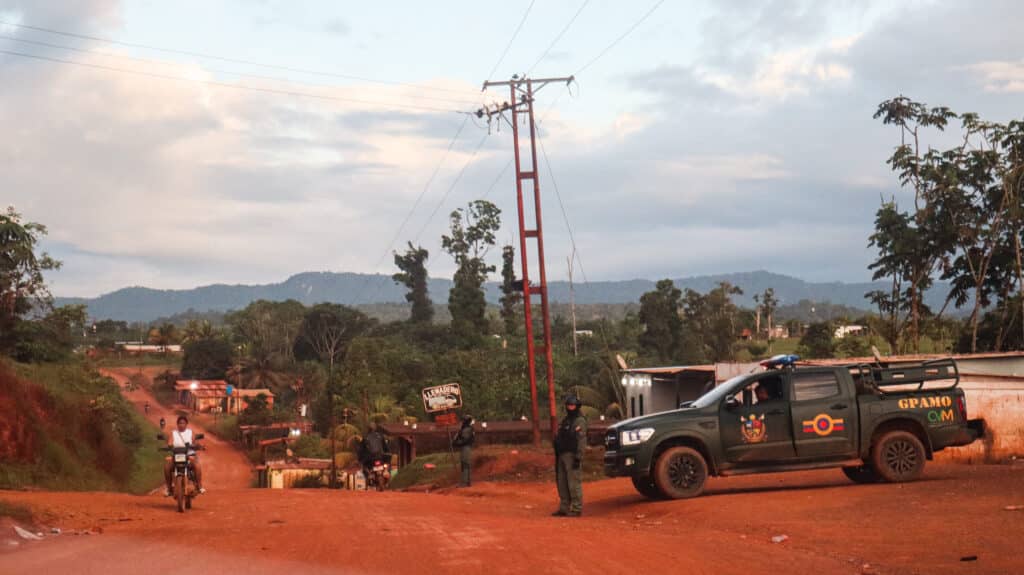
At that point, it was believed that the purpose of the tactical deployment could be the search and killing of pranato leaders, a system of criminal leadership born in Venezuelan prisons.
Before the 2016 creation of the Orinoco Mining Arc, which expanded mineral resource extraction in southern Venezuela, the country’s mines were already largely under the control of organized crime groups rather than the state.
In Sifontes, the “Sistema” network is led by Juan Gabriel Rivas Núñez, alias “Juancho” or “Negro Juancho,” with “Humbertico” serving as his second-in-command. The Tren de Aragua is also present through Yohan José Romero, alias “Johan Petrica.” Operating within the same mining sector, the group is linked to other illicit activities, including drug trafficking, arms trafficking, and sexual exploitation, though the details of any arrangement with “Juancho” or “Humbertico” that enabled its presence in the area remain unclear.
Residents of Las Claritas interviewed said they had heard of the presence of “Niño Guerrero” in the region about a year ago. “They say he came and went, but recently, about a month ago, people were saying he was here,” said one source, who requested anonymity.
Over the past decade, there have also been reports of incursions by the Colombian National Liberation Army (ELN) into the Sifontes municipality. However, in Las Claritas, criminal power has been held by “Juancho,” “Humbertico,” and “Petrica.”
The day before the operation, on Monday, June 8, false reports circulated on social media alleging a possible incursion by U.S. military forces into the mining enclaves. The claims were later denied by both the government and non-governmental organizations.
Tensions escalated significantly on Wednesday, June 10. After more than 24 consecutive hours of military presence, a commission made up of military personnel, members of the Attorney General’s office, and representatives from the ministries of Mining Development and Ecosocialism demanded the immediate evacuation of the deposits, warning miners that any access to government support or future “legalization” of their work would be contingent on their departure from the mines.
In response, residents and miners blocked Troncal 10 at the entrance to the town, the main road linking the region to Brazil, to demand an immediate halt to the armed incursion and respect for the human rights of local residents.
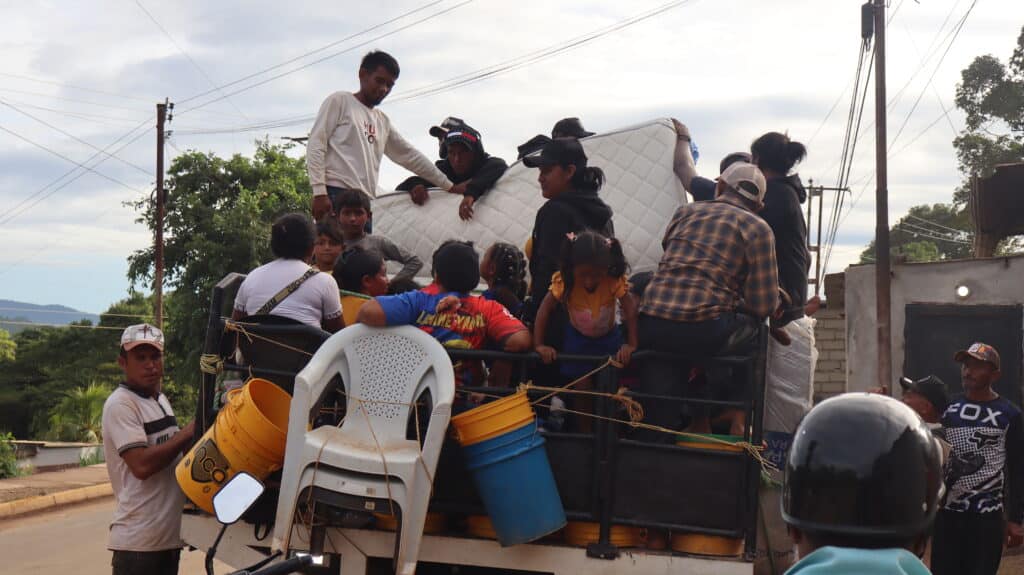
Meanwhile, non-governmental organizations raised their voices. SOS Orinoco warned of the risk that this could be “an intervention focused solely on military force, without a comprehensive approach.” The Venezuelan Program for Education and Action on Human Rights (Provea) also warned of the possibility of arbitrary detentions and extrajudicial executions, as it said was the case with “Niño Guerrero.”
“The people living in the conflict zone do not believe that any organized crime group in the mines has been dismantled. As they put it: ‘It was just smoke grenades, as always.’ They are reorganizing. All those local people who were forced, one way or another, to coexist with the criminal gangs are now going to take control and continue the legacy of their ‘bosses,’” said a source familiar with the area.
ARMED GROUPS IN LAS CLARITAS
The region is controlled primarily by the criminal organization known as the “Sindicato de Las Claritas,” also referred to as the “Sindicato de Juancho” or locally as “El Sistema.” The group exerts control over the area’s gold mines through the collection of extortion payments, or “vacunas” (literally “vaccines”), from miners and merchants in exchange for allowing them to work and providing “protection.”
But there are other groups in the Sifontes municipality: the “Negro Fabio” gang in El Dorado, led by Fabio Enrique González Isaza, and the R Organization, also known as 3R, in Tumeremo, led by Eduardo José Natera Balboa, alias “Run.” All maintain non-aggression pacts with one another.
The criminal leaders began arriving in the municipalities of El Callao, Sifontes, and Roscio from 2006 onward, according to information from the outlet El Pitazo.
Three factors made the business attractive: rising gold prices; the dismantling of the state mining company CVG Minerven, whose facilities were invaded – and in some cases demolished – by armed groups; and the complicity of state officials. These groups gradually established themselves and took control of mining deposits, using violence as a means to do so.
The presence of armed groups in Bolívar, particularly in mining areas, is neither recent nor spontaneous. Far from being an accidental loss of state control, the occupation was deliberately enabled and, in some cases, encouraged. Multiple sources say that “El Sistema” maintains agreements and alliances with senior state and military officials. These same ties are also said to have facilitated access to weapons and the sale of gold extracted illegally from the mines under their control.
A January 2016 report revealed that Governor Francisco Rangel Gómez and General Julio César Fuentes Manzulli had provided protection, impunity, and arms to criminal leaders in the mining towns from at least 2006, over a span of nearly fourteen years.
Even during election periods, those in power influence the vote. “Here they pressure you to vote for the PSUV,” said one resident, who confirmed that the armed group is involved in transporting miners to polling stations and ensuring that everyone votes for the ruling party. The testimony was corroborated by other residents.
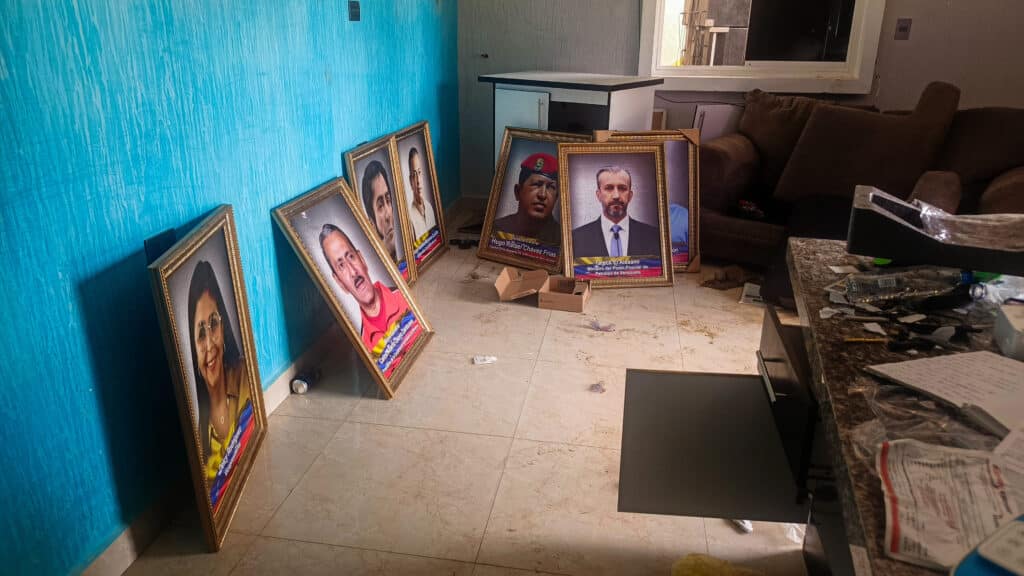
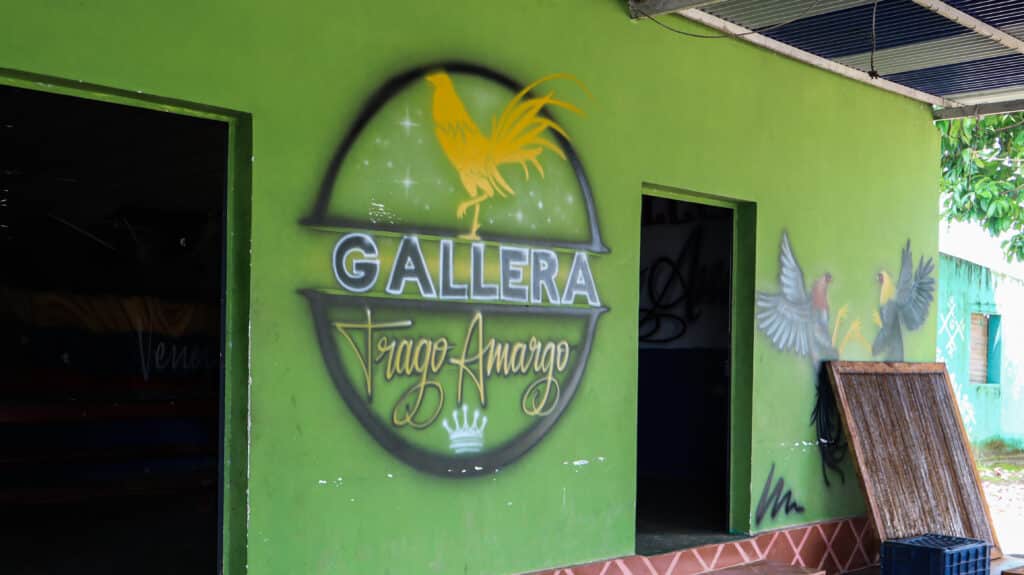
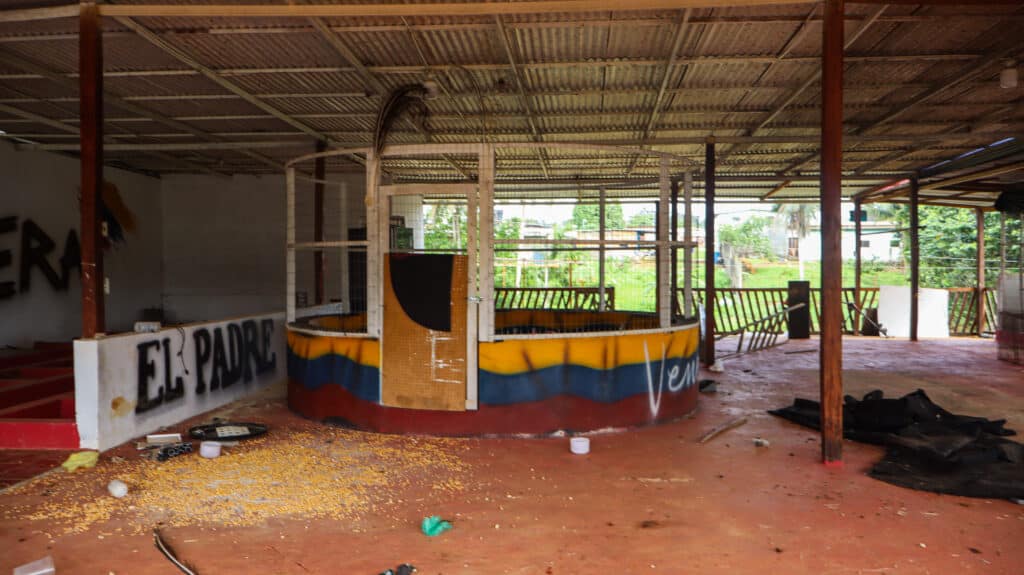
In an office at the back of the “Trago Amargo” cockfighting ring, owned by “Juancho” and ransacked during the upheaval in Las Claritas, a portrait of Simón Bolívar and Hugo Chávez hung alongside photographs of other Chavismo figures: Delcy Rodríguez, Diosdado Cabello, former ministers Tarek El Aissami and Carlos Osorio, and former governor Ángel Marcano.
WHO RUNS “EL SISTEMA”?
These are the figures connected to the story of Las Claritas and the mining region.
—
THE DEATH OF “NIÑO GUERRERO’
Trump provided no dates, coordinates, or further details, instead celebrating what he described as the “success” of a “kinetic,” “swift and lethal” strike carried out alongside Venezuela’s “friends.” U.S. Defense Secretary Pete Hegseth later confirmed that the operation took place inside Venezuela, targeting “a Tren de Aragua compound,” earlier this week.
About an hour later, the Venezuelan government also confirmed the death, saying that it occurred during a “confrontation” in the southeastern part of Bolívar, within a mining area, though it did not provide an exact location. The Ministry of Communication said the operation was coordinated with the United States but offered no further details.
According to testimonies gathered in the region by Amazon Underworld, the only bombing and large-scale detonation in Las Claritas occurred on Tuesday, June 9, in the Brisas del Cuyuní community.
Other local sources indicated that several organized crime bosses had fled before the attack and cast doubt on Guerrero’s death. “It is essential that convincing evidence is presented,” one local source told Amazon Underworld.
One person who agreed to speak with Amazon Underworld on condition of anonymity said that they had heard that “Niño Guerrero” would often come to place bets on cockfights at “Trago Amargo,” a ring owned by “Juancho.” The venue also reportedly hosted meetings with government officials and thousands of dollars and gold changed hands there.
LAS CLARITAS TODAY
After the helicopter overflights, another phase of the operation began on the ground, as masked agents entered properties belonging to some of the gang’s most visible leaders and carried out raids.
“Then the officials told people to go inside the houses and take whatever they wanted,” said a woman who claims to have heard the officials say this.
And so it happened. Dozens of people entered the properties of “Juancho,” “Petrica,” and “Humbertico” and took whatever they could carry: clothing, appliances, even animals. Even a sophisticated security system was dismantled.
There was also destruction at the “Trago Amargo” cockfighting ring, but one scene stood out: despite the raid and the looting, the room where the roosters were kept was untouched, and the animals were unharmed, at least as of Sunday, June 14, as Amazon Underworld confirmed.

Beginning on the morning of Saturday, June 13, residents of Las Claritas reported that a “high-level meeting” was taking place in the “El Mecate” area with Héctor Silva, minister for Ecological Mining Development and president of the Venezuelan Mining Corporation (CVM), where measures to reorganize gold mining activity in the area were discussed.
The government also announced the creation of a Miner Assistance Office, described as “a space for direct coordination to provide timely and effective responses to the needs of the sector.” This was framed as part of its “commitment” to “continuing to transform the mining areas, improving the quality of life of their inhabitants, and consolidating a sovereign, safe, and fully sustainable activity.”
In January, acting president Delcy Rodríguez pledged to regain control of the territory, attract investment, and increase gold production by 30 percent in 2026. The commitment was later reinforced by the reform of the Organic Mining Law, enacted on April 16, 2026, which relaxes restrictions on private participation in mining activities.
On Wednesday, June 10, while uncertainty persisted in Las Claritas, a new package of general licenses was issued by the Treasury’s Office of Foreign Assets Control (OFAC), updating authorizations for Venezuelan energy and mining operations. Specifically for the mining sector, licenses 51B and 54A were issued.
License 51B allows established U.S. entities to carry out transactions to extract, trade, and transport minerals of Venezuelan origin, including gold. License 54A focuses on the provision of equipment and support, allowing U.S. persons (or those operating from the United States) to provide supplies and services for operating mines in Venezuela.
To date, no national or local authority has provided detailed explanations of the operation. Meanwhile, uncertainty prevails and concerns remain that the criminal leaders who fled may return or that a new wave of violence could erupt.
“They were very visible. They organized celebrations for Mother’s Day and Children’s Day. They liked people to see them handing out gifts. They were the government here because the officials only came to collect their share of the gold,” said a resident of Kilómetro 88.
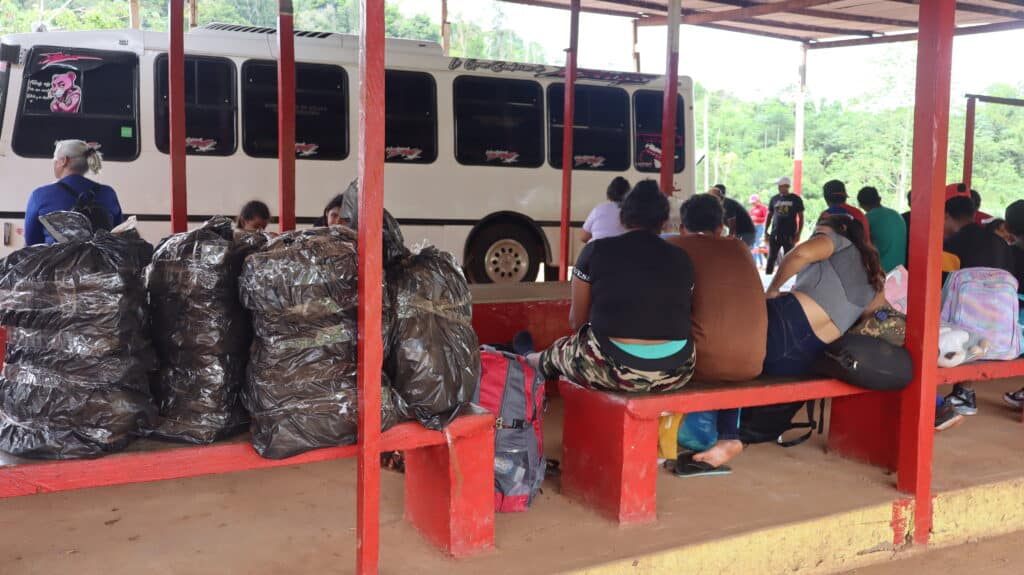
A miner waiting for a bus to return to his hometown of Caicara del Orinoco, some 250 kilometers away, where he worked as an electrical technician, said he no longer considers Las Claritas a safe place. As long as military operations continue and uncertainty remains over who controls the town, he said, staying is not an option. “What has been unleashed here is vandalism. Right now, what we’re doing is saving our lives. How am I supposed to stay in a town where nobody knows what’s going to happen?” he said.
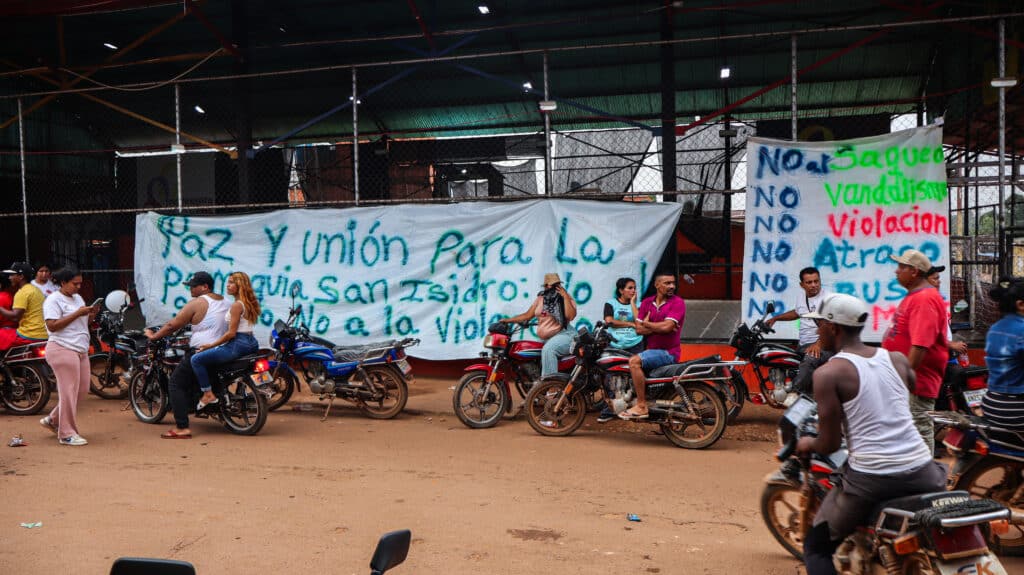
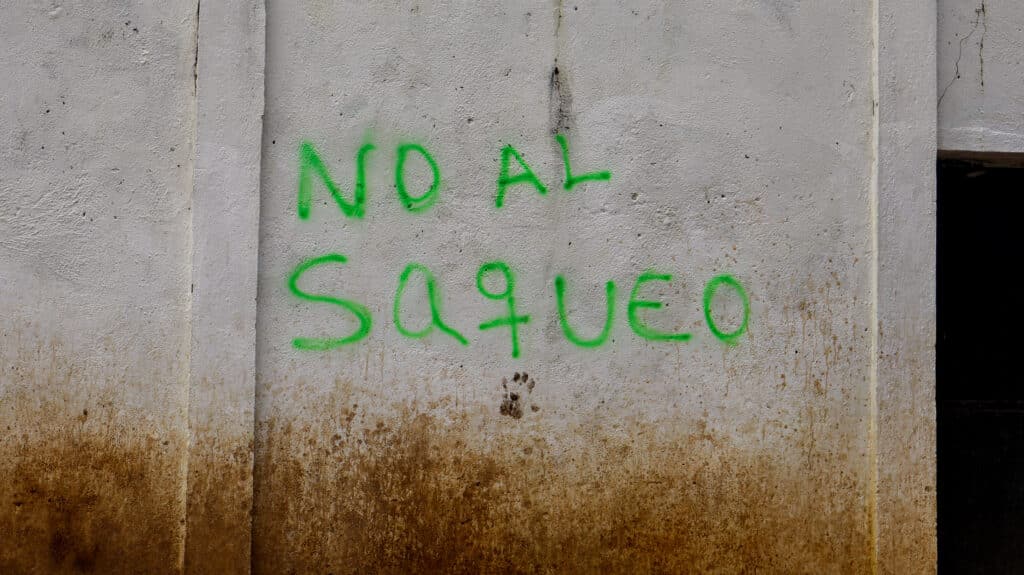
Amid what at first glance might appear to be the fall of the de facto criminal government in Las Claritas, there are signs of loyalty. Graffiti reading “No to looting” has appeared on several streets in the town, while a protest attended by around 50 people questioned how the operation was carried out, defending the “management” of “El Sistema.” “I do hope they come back,” said one man who acknowledged having ties to the organization, particularly through its cultural and social activities.
Meanwhile, tensions remain high and criminal groups continue to exert control in Las Claritas. A man on a motorcycle who appeared during the protest told the residents: “Put your phones away. Listen to what I’m going to tell you and don’t record me. You’re not going anywhere today. Stay here, don’t go out to block the street or anything. The action is here.” Everyone obeyed.