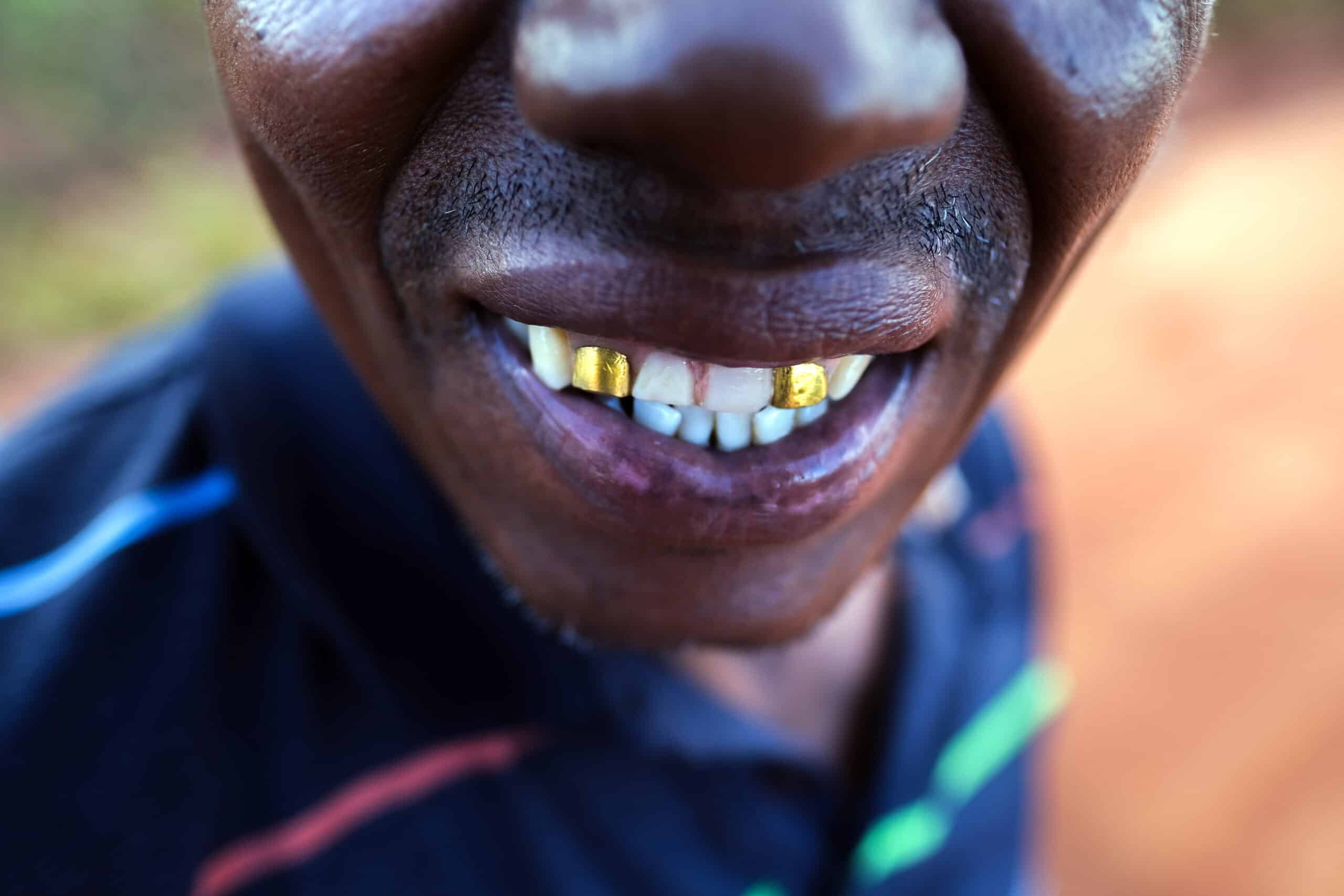
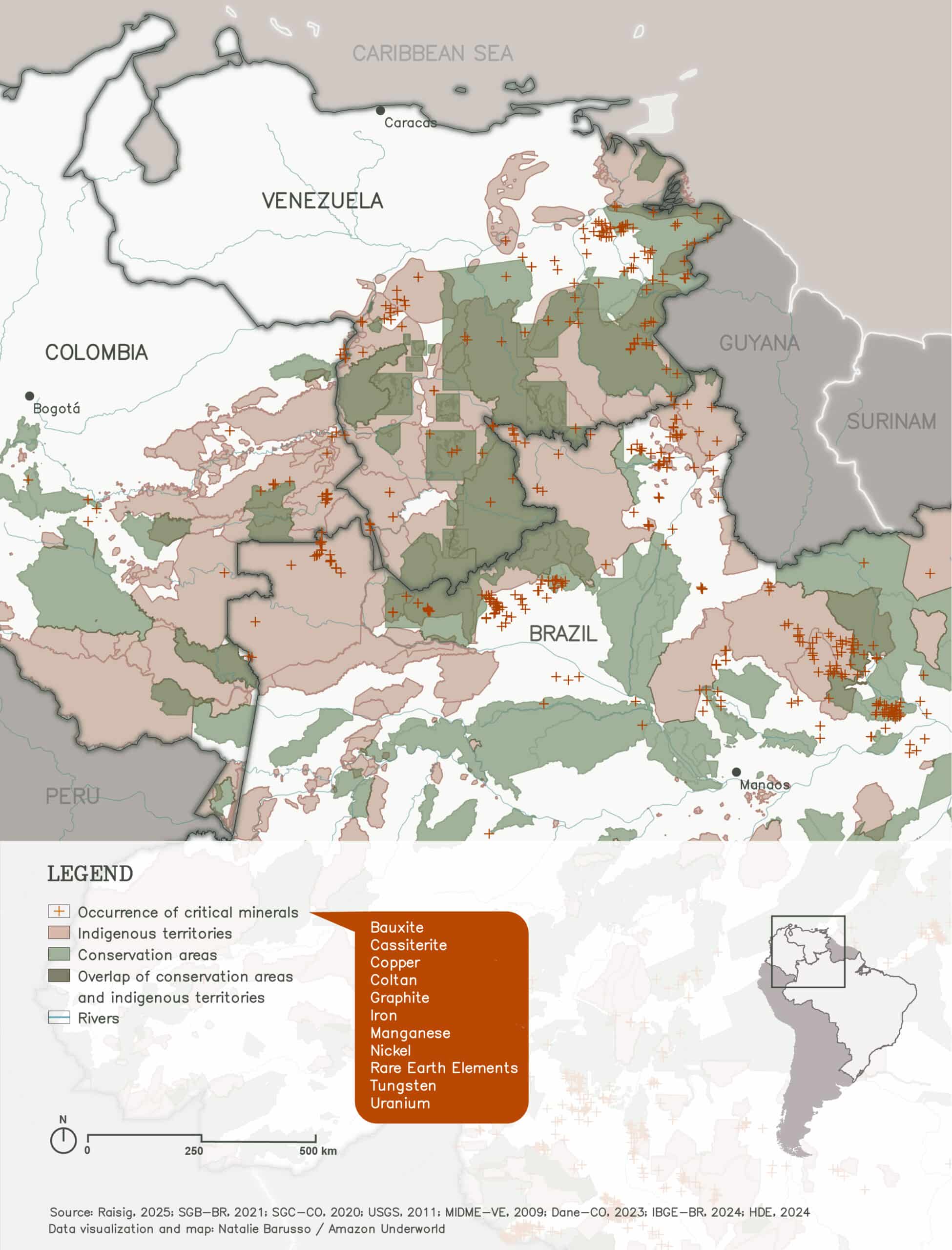
In the Colombian-Venezuelan borderlands — from the arid, rocky savanna areas near the Orinoco River to the dense, fertile stretches of the Amazon rainforest — lie some of the most coveted minerals on Earth. Their existence exposes a stark contradiction: the critical minerals essential for green energy and defense technologies are extracted through operations that destroy Indigenous communities, damage vital ecosystems, and fuel guerrilla violence, even as global powers compete for these same resources to build what they call a sustainable future. Here, in lands that Indigenous communities have inhabited for millennia, a new type of invasion is taking place.
Critical minerals are located in indigenous territories and protected areas.
Vast tracts of Venezuelan territory rich in critical and rare earth minerals are now controlled by Colombian guerrillas. “They have many armed people. They control everything, and nothing has changed. The only difference is that now most of the Indigenous people are there, with them,” said a young Indigenous Venezuelan we’ll call Carlos* for security reasons. He described how the National Liberation Army (ELN) seized areas rich in coltan, tin ore, and rare earth elements in the southwest of the country. The ELN now sits at the center of a new mining boom.
Most extraction occurs in the Venezuelan states of Amazonas and Bolívar. In Amazonas, mining is prohibited by decree. In Bolívar, it is concentrated in the government-declared Orinoco Mining Arc, established in 2016. While exact timelines are hard to confirm, there is general agreement that rudimentary extraction began around 15 years ago in Cedeño municipality, near a site called Morichalito, close to the Parguaza area.
The Orinoco Mining Arc

Indigenous miners have been extracting coltan since the early 2010s, secretly trafficking the stones to buyers on the other side of the border. “We used to take a lot of coltan to [Puerto] Carreño (Vichada department), hiding it well, because otherwise they’d take it from us,” said a miner we’ll call Josué*, to protect his identity.
Josué described carrying sacks of stones to El Burro, a hamlet and key connection point linking Bolívar and Apure states, and the Orinoco, before transporting them at night across the river into Colombia, to an informal settlement on the outskirts of Puerto Carreño known as La Rampla.
By 2010, as the global race for critical minerals accelerated, buyers began to appear and local miners were displaced from their extraction sites. Carlos and Josué said that hundreds of armed ELN combatants began seizing the most productive mining sites in 2023, bringing new workers to the region.
When the guerrillas took control, Indigenous leaders were coerced, threatened, or bought off by irregular forces. Those unwilling to work under the guerrilla regime could only work at night, in hidden mining sites.
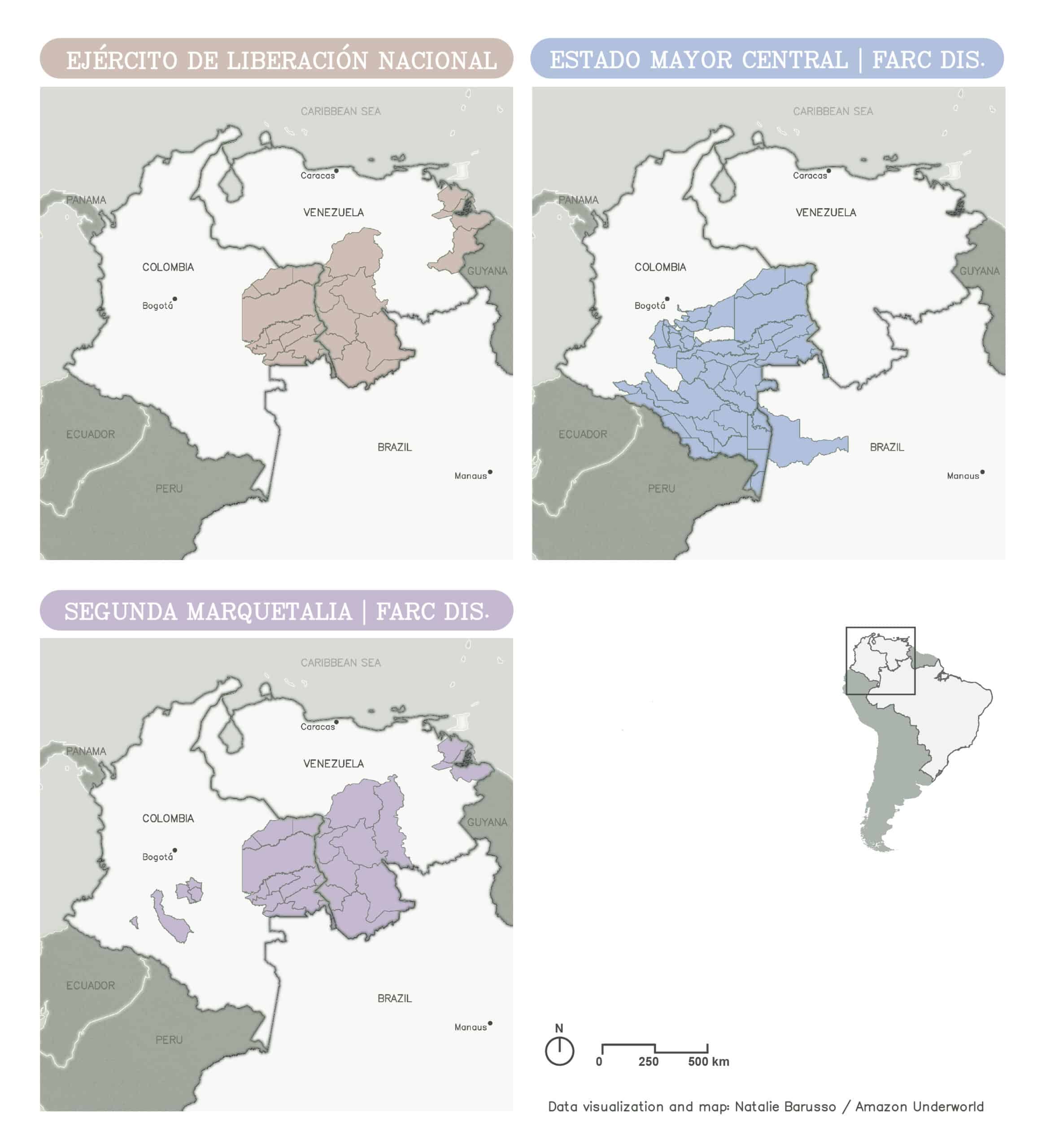
In Amazonas and northwestern Bolívar, where most critical mineral mines are located, the ELN’s José Daniel Pérez Carrero front and the Acacio Medina Segunda Marquetalia Front, a former Revolutionary Armed Forces of Colombia (FARC) dissident group, operated in alliance, dividing territory and mines while sharing drug-trafficking routes.
A meeting to discuss this non-aggression pact, renegotiated in early 2025, was held by business executives who trade critical minerals. The agreement aimed to continue trade flowing without interruption. However, this alliance of convenience came to a brutal end in August 2025 when ELN members ambushed and killed several leadership commanders of the Acacio Medina Front, in an attempt to seize control of the resource-rich borderlands.
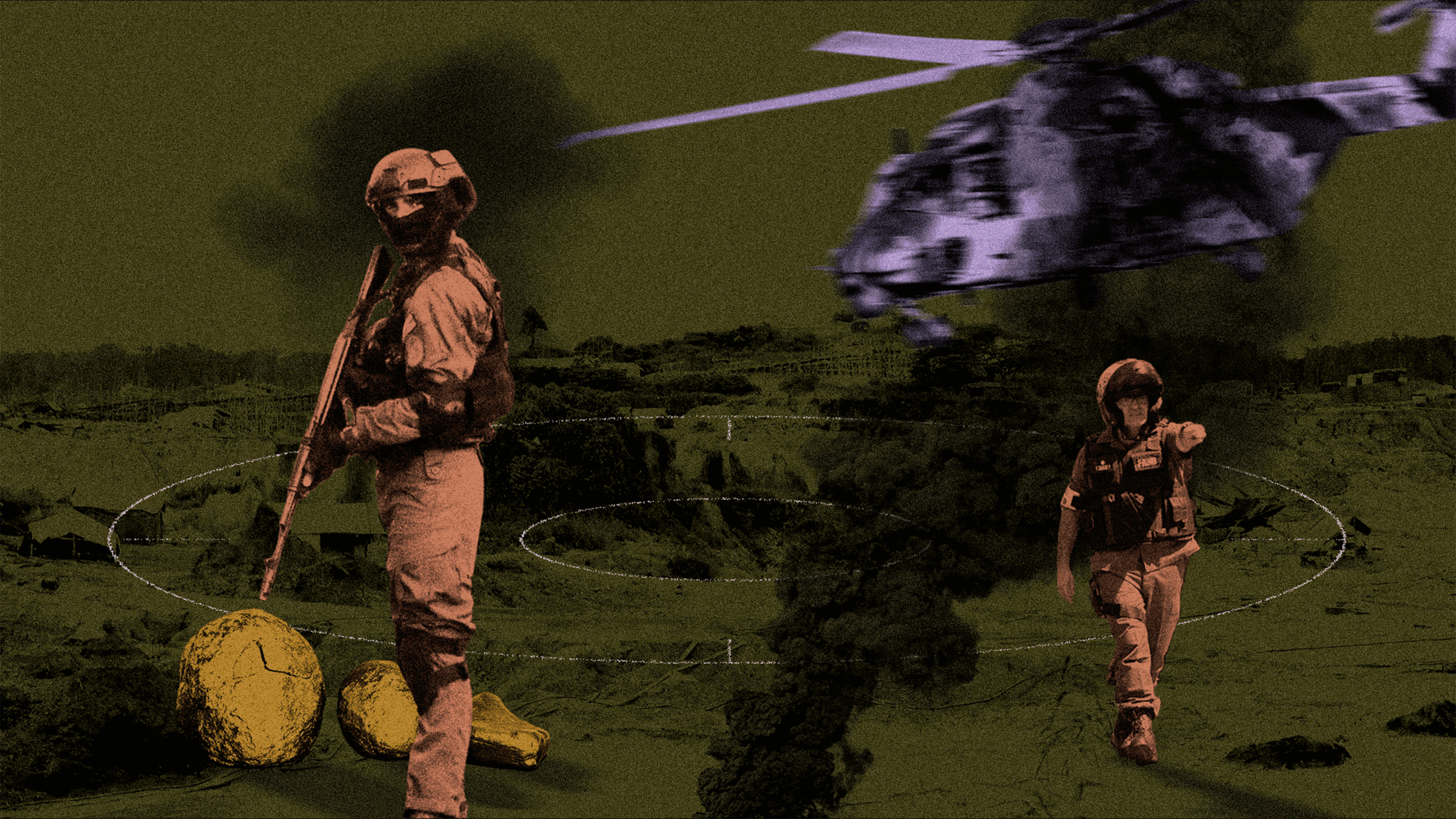
Since 2023, guerrilla-controlled mines have expanded rapidly as outside miners were brought into the area. Local miners say they pay 1 kilogram in minerals (stones containing coltan and tin), to access the mines. Deep in the jungle, often three to seven days’ walk away, Indigenous miners work the rocks under guerrilla watch as “Chinese” buyers arrive by helicopter, according to various testimonies collected by Amazon Underworld.
The large-scale destruction and deforestation that accompany these operations alarm local miners. “They cut everything down, and filled in the streams to make an airport, it’s horrible,” said the oldest miner we interviewed.
“In two or three years the Parguaza River will be contaminated, because heavy machinery is already entering. It’s not what I want. We’re damaging the environment. Working the soil, on [mining] rafts, it pollutes the environment, contaminating the water and air. Many chemicals are used to work there. It’s not what I want, we don’t know what could happen in the future,” another miner said quietly, almost in secret, even though he was on Colombian territory.
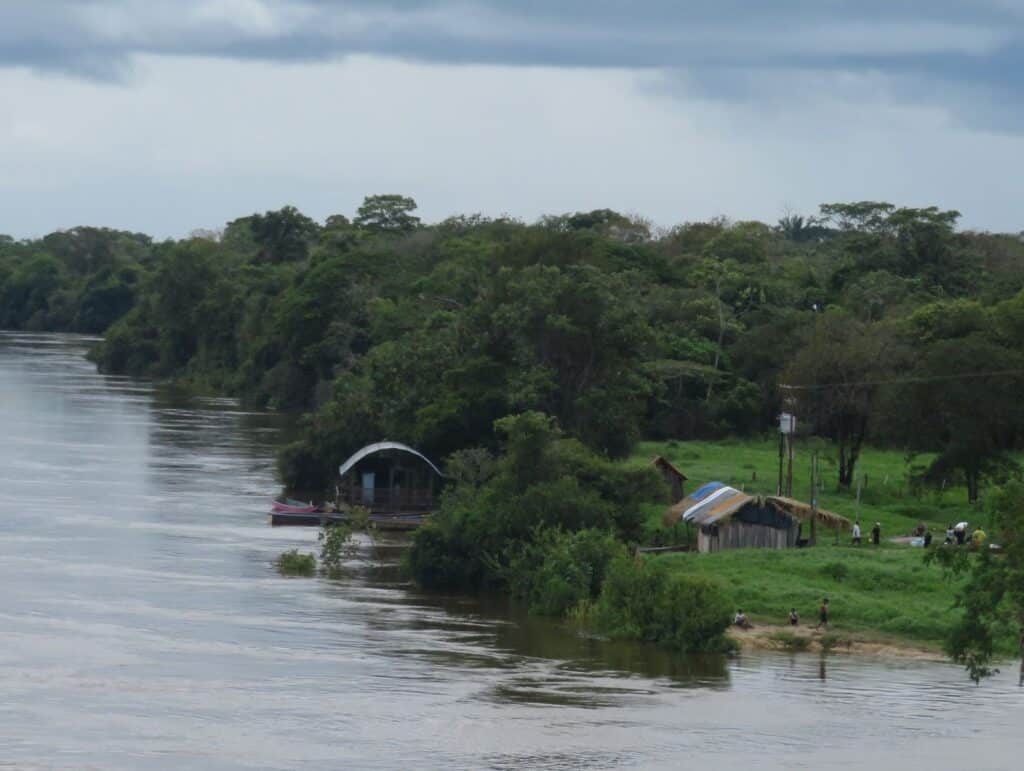
The concern extends beyond immediate contamination toward long-term effects for local communities. “I would like to talk to children about this, because it’s life for us, the river, everything. Thousands of people benefit from this river, but it’s chaos now, a poisoned river,” he said.
In Amazonas, bordering Bolívar, critical mineral extraction also occurs on Indigenous lands. In Piaroa territory in Manapiare, Autana, and Atabapo municipalities, river rafts that once extracted gold now search for critical minerals.
Armed Colombian combatants, Brazilian buyers, “Chinese,” traders and complicit state forces work together to exploit these resources, even if it means invading Indigenous territories. History repeats itself: valuable raw materials from ancestral lands — once rubber, more recently gold — are being extracted through severe and systematic human rights violations and illegal commercial networks.
“I was 13 years old when I started working on this,” said one source, referring to critical mineral extraction. “There are many rules, and if you don’t comply, they kill you.” In both Amazonas and Bolívar states, armed groups rule the mining areas with an iron fist. A 2020 report by the United Nations Office of the High Commissioner for Human Rights documented forced child labor, mass murders, forced disappearances, and sexual violence in Venezuela’s mining regions.
Guerrilla groups also control sex work in mining areas. “The guerillas sell women for gold,” a source explained, describing how the groups profit from sexual exploitation.
Miners and community members say armed groups control access routes, intimidate locals, ban cellphones at mining sites or confiscate them during inspections.
They also describe torture, corporal punishment, and summary executions. Repeat offenders face particularly brutal treatment. “They caught a guy who had already stolen three times. They gave him three chances and he didn’t listen. A female guerrilla made him kneel. I arrived at that instant, I saw him kneeling with his hands behind his back. She gave him two shots to the head,” claimed a local source, who said the woman was an ELN member.
Another miner described improvised jungle prisons, where prisoners can go days without food. “They have a jail with barbed wire. There’s no food or water as punishment, and we can’t do anything or they’ll put us in there too,” he said.
Municipalities where Colombian armed groups have a presence
Armed groups also recruit new members from local communities, including minors. In Amazonas, one miner recalled being summoned by the group. “When I got there, there were more guerrillas than Indigenous locals, and they were the ones in charge,” he remembered. When they tried to enlist him, the intervention of the local Indigenous chief gave him time to escape. “I had to leave immediately, without anyone knowing.” In 2022, an entire community of the Warekena tribe left to prevent their youth from being recruited by FARC dissidents.
The situation reflects a growing global pattern. “An ever-increasing, imminent threat looms: the race for critical minerals essential to the global energy transition, many of which are found in or near Indigenous territories,” said António Guterres, United Nations Secretary-General, earlier this year. “As demand rises, we’re witnessing dispossession, exclusion and marginalization in decision-making, while their rights are trampled, their health endangered, and they are denied the benefits they deserve.”
As more than 8 million Venezuelans have fled the country amid a deep humanitarian, political, and economic crisis, those who remain struggle to survive. Public-sector salaries amount to just a few dozen U.S. dollars per month, while mining can dramatically increase a person’s income. Given this dynamic, poverty has become the engine of illegal mining, driving desperate Venezuelans into dangerous extraction work in remote jungle areas controlled by armed groups.
“The minimum wage is three dollars. And the bonus they offer is 100 dollars,” explained an Indigenous teacher. “In one day, if I manage to extract eight kilograms (of stones containing critical minerals) I make more than that, enough to get by. Food stops being a problem because there’s plenty of stone when one can find it. But I don’t feel humiliated doing this like I do back in Puerto Ayacucho,” he said, referring to the capital of Amazonas.
“Why would I spend a month earning what I can make in a day? This way I can support us for several days. I stay at least two weeks, and then go back to visit my family. My dad is a teacher and he can’t afford to eat. He only eats three days a week on his salary. He’s alone, and there are six of us,” said another miner.
However, most local and Indigenous miners have no idea of the true value of the extracted mineral. They’re paid around US$10 per kilogram, as if selling eggs while buyers leave with caviar.
Armed groups profit from illegal mining in different ways. Mining operations are “taxed,” meaning a portion of production is delivered to non-state armed groups. They also directly control and therefore own the mines, or they negotiate on behalf of other buyers who directly acquire the mineral.
But the plundering of Venezuela does not stop there. Rather than guaranteeing state sovereignty, territorial integrity, internal order, or citizen and environmental security, both the Bolivarian National Armed Force (FANB) and the Bolivarian National Guard (GNB), reportedly monitor access to mines and collect bribes, according to multiple sources. “At the mine entrances, there are control points. No one passes through, only those who are in on what’s happening in Venezuela,” said a miner from the region.
Click here to read the full special report The Price of Progress: The Dark Side of Critical Minerals in the Amazon
Researcher
Bram Ebus
Researchers
Daniela Castro, María de los Ángeles Ramírez, Emily Costa, Fábio Bispo, Hyury Potter, Isabela Granados, Natalie Barusso.
Cover and infographics
Laura Alcina
Maps
Natalie Barusso