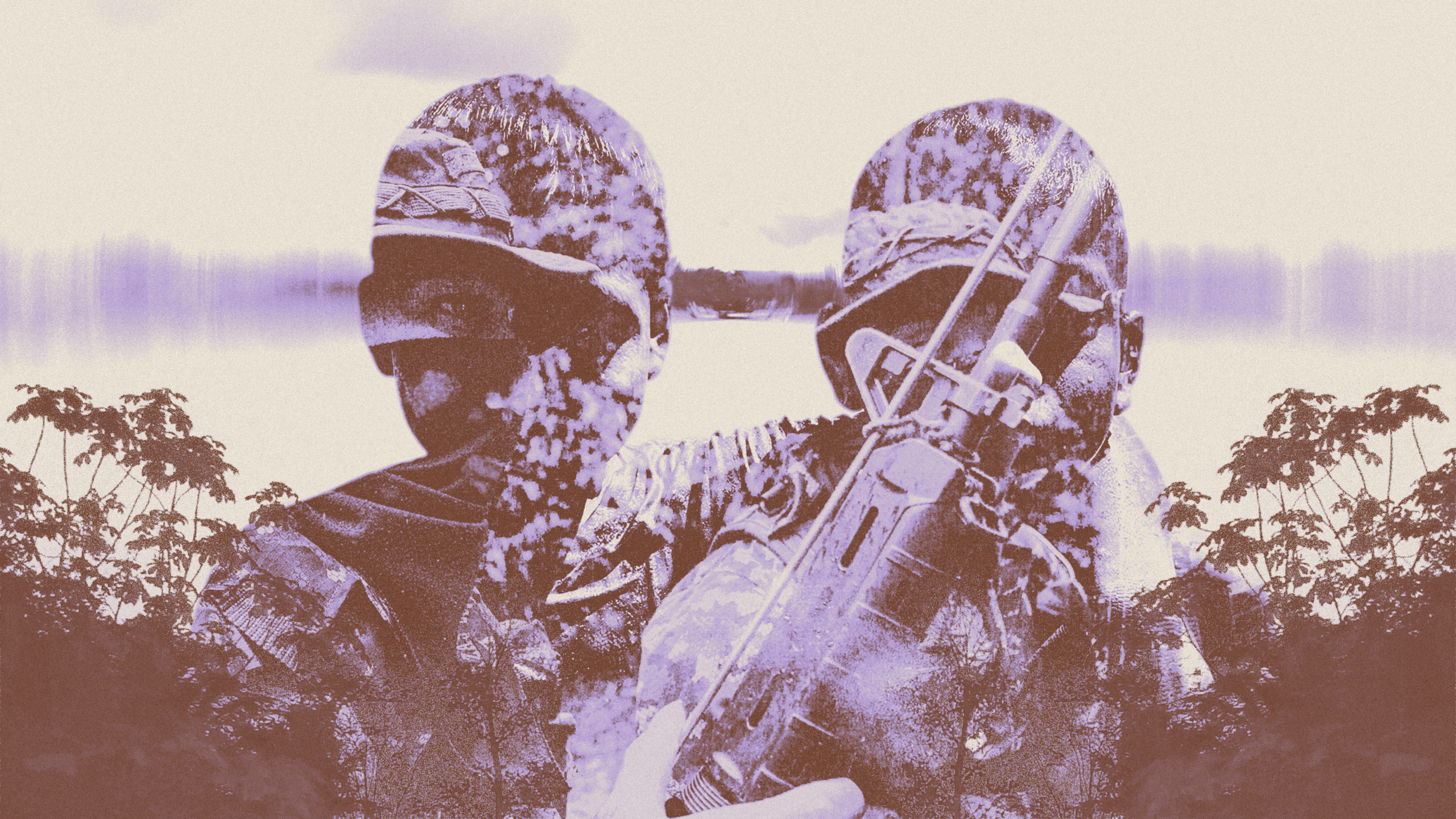
The Comandos de la Frontera (CdF) have extended its recruitment networks into Peru, drawing minors into its ranks as the criminal enterprise expands. It offers money, food, uniforms, weapons and an escape from the poverty of prospects in Putumayo, in the Peruvian department of Loreto. Some cross the river into Colombia and are never heard from again. Others return to their communities to show off their earnings and end up, willingly or not, becoming part of the recruitment chain.
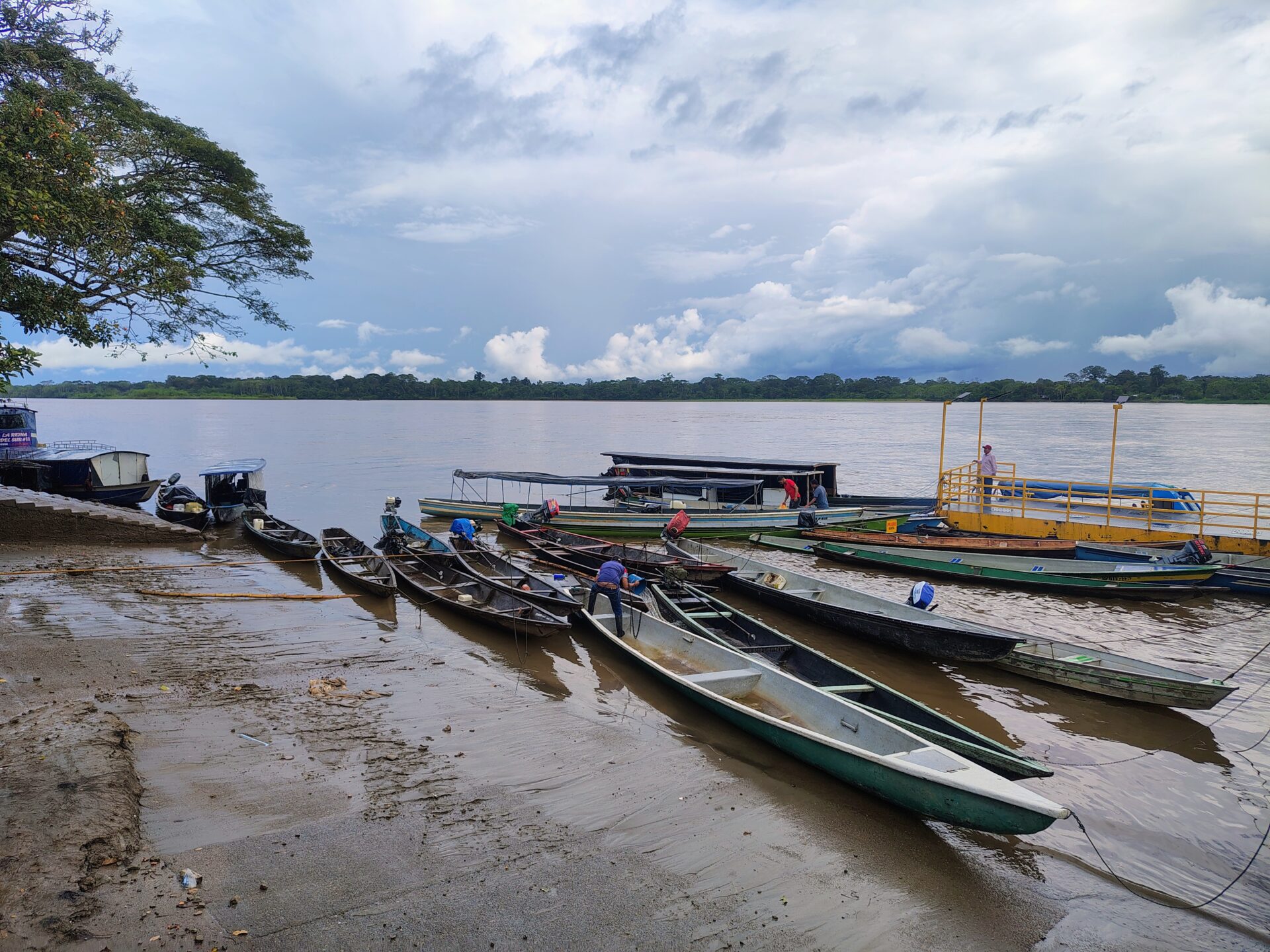
Rain and lightning lash the Putumayo River, which marks the border between Peru and Colombia. In San Antonio del Estrecho, capital of the Peruvian province that takes the river’s name, the current pounds the boats moored at a ramshackle port.
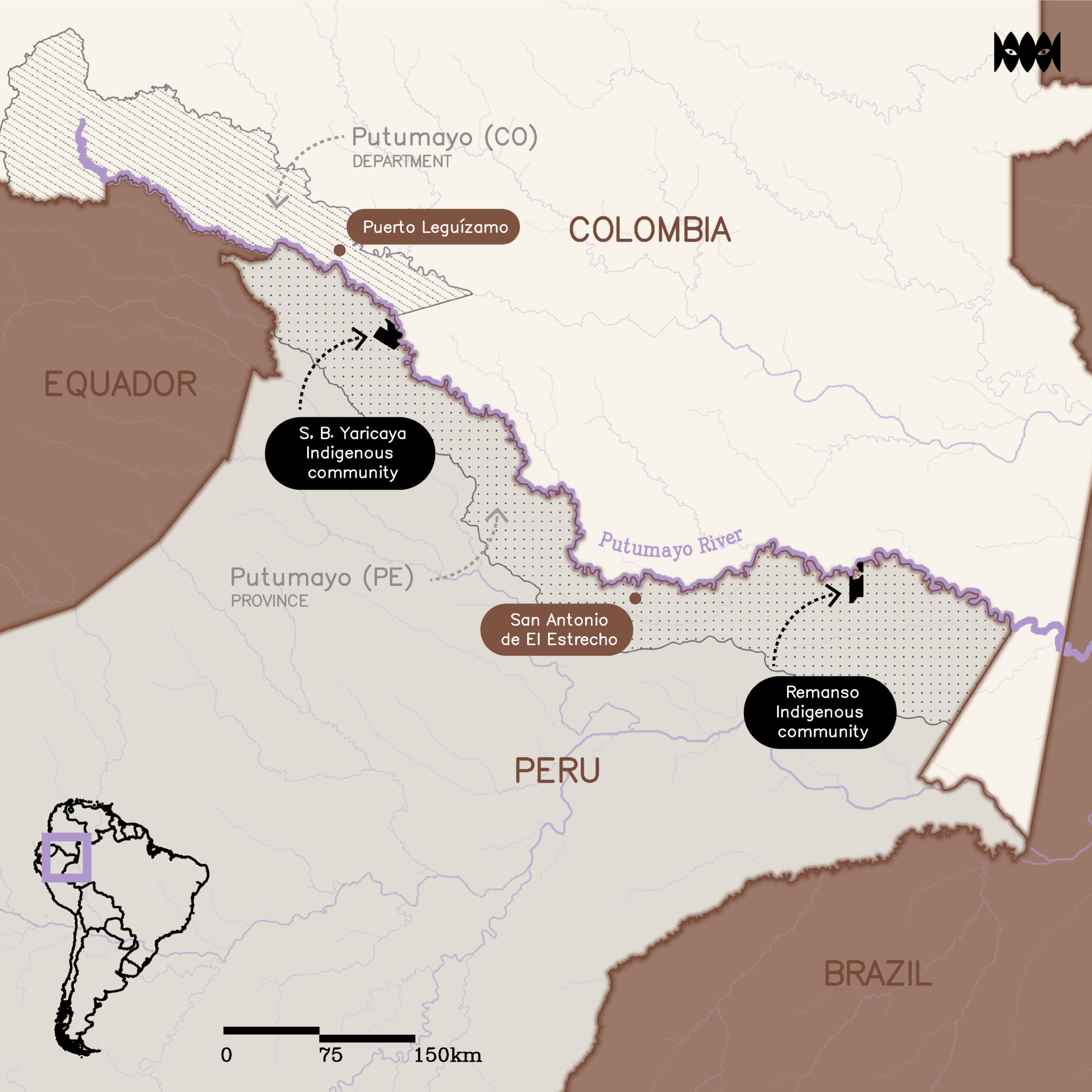
On the map, each bank of the river marks the start of a different country, Peru or Colombia. In practice, the river connects Indigenous and campesino communities that share a single territory dominated by the Comandos de la Frontera (CdF), an armed group whose leaders were once part of the now-demobilised Revolutionary Armed Forces of Colombia (FARC). Its ranks are made up of former soldiers, former paramilitaries and, above all, new recruits. For this group, political borders, territories and nationalities do not exist, and Peru has become a strategic rearguard from the conflict in Colombia. Seen this way, recruiting Peruvian minors for its battles is no contradiction at all.
Klever* is just ten years old and is known in his Indigenous community for his passion for the beautiful game. “I want to be a professional footballer,” he says excitedly. He has not yet finished primary school, but his father says his only son has already received a first offer for his future.
“It was some Colombians who come every now and then to meet with the authorities. I don’t know if they’re from that group (the CdF), but whenever they come they play a match with him and have a soft drink. That’s when they talk and tell him that in a few years he’ll be able to go with them. It’s like a job, but I don’t know,” the father says, trying to smile to hide his nerves.
The offer is not immediate. But those approaching Klever are already talking to him about a future different from anything he can imagine.
If Klever finishes primary school, he will have to leave his community to continue his education, because there is no secondary school there. The nearest alternative is in another community four hours along the river.
A TERRITORY WITHOUT PROSPECTS
The lack of educational and employment opportunities is not a secondary factor. It shapes the decisions teenagers can make long before any criminal offer appears. Father Fernando Flórez, a Catholic missionary who has worked in the Putumayo basin for more than 15 years, has seen it first-hand. In 2014 set up a youth group to promote the sacraments in the community. Over the years, the groups grew smaller and smaller.
“The men, almost all of them, left because they were recruited. They were calm, ordinary young people, and as they grew up some of them would tell me, ‘I don’t know what I’m going to do, what I’ll work in… and studying takes money’,” Flórez recalls.
In Putumayo, growing up means learning how few choices there are. The border province, which according to Peru’s National Institute of Statistics and Information (INEI) has 8,423 inhabitants, faces critical social gaps. According to the 2025 National Census, its structural illiteracy rate is 7.2%, above the national average of 5.1%. Five in ten inhabitants live with at least one unmet basic need, meaning they suffer simultaneous deprivations such as a complete lack of housing built with adequate materials and the absence of basic services.
In 2025 DEVIDA, Peru’s anti-drugs agency, ranked the province third in the country for coca cultivation, with 1,211 hectares. Illegal gold mining has also gradually taken hold along the river, accelerating since the pandemic, according to testimonies gathered for this investigation.
Father Flórez says that young people who manage to leave for Iquitos, the regional capital, to study are told they need a “pig’s stomach”, because they will likely eat only once a day. “Studying is a privilege for very few,” he says.
Iquitos is about 1,200 kilometres from San Antonio de El Estrecho by river, a voyage that can take up to 15 days depending on the boat. It can also be reached in a 40-minute flight, but those depend on the availability of the Air Force or private companies and offer no more than 30 seats every other day. A ticket costs 250 soles (about 76 US dollars), a sum beyond the reach of most of the population.
The priest recalls a mother who brought her daughter to him, hoping he could talk some sense into her. The young woman, who had given birth while still a minor, had decided to join the Comandos de la Frontera. She told her mother to look after her son, the priest says, and promised to send money and food.
“I’m going, I can’t find anything here,” the girl told the priest. The mother wept and could only ask, “and what if my daughter dies, father?”. This is how the Comandos de la Frontera operate, offering “opportunities” in a place where they are scarce.
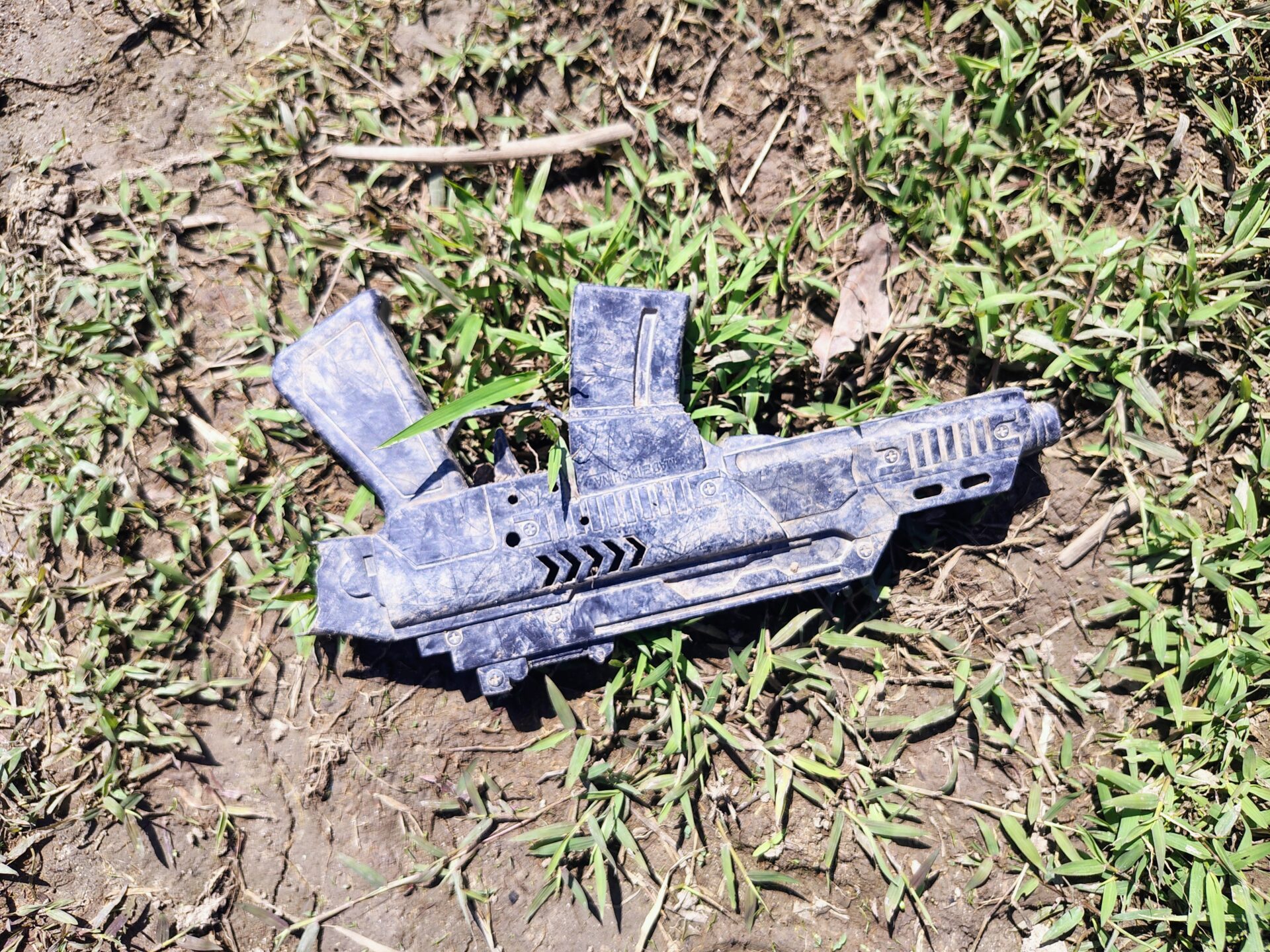
In Putumayo, hundreds of students drop out of school. At primary level alone the dropout rate is 7.3%, more than four times the national average of 1.7%, according to the education ministry’s statistics unit, ESCALE. The gap persists at secondary level: 6.7% in Putumayo against 2.5% nationally. In other words, almost seven in every hundred secondary students in the province stop studying each year. In a territory where secondary school is where young people begin to imagine a future, the figures show how hard it is to finish.
RECRUITMENT
The Comandos de la Frontera offer terms no one else in Putumayo can match: around two million Colombian pesos a month (about $600), days off, holidays, uniforms, equipment and weapons. It is exactly how they operate across the border in Colombia. But it is not only about money.
For a teenager without steady schooling, in a territory where illegal economies are part of daily life, joining an armed group can look like a job, an income or even a way of building a future. In Colombia, young recruits interviewed in 2025 said their reasons for joining included the monthly pay, boredom at home, and access to a weapon and to a world often sold on the money and power it brings.
In 2026, Human Rights Watch documented that Colombian armed groups rely on precisely these incentives. Minors are contacted through intermediaries, on social media and at community and school activities, and promised money, power and prestige. The report, “I Thought I’d Never See My Mother Again: Recruitment and Use of Children by Armed Groups in Colombia”, also records cases in which the CdF used community and sporting events to approach teenagers, a recruitment method this investigation identified too.
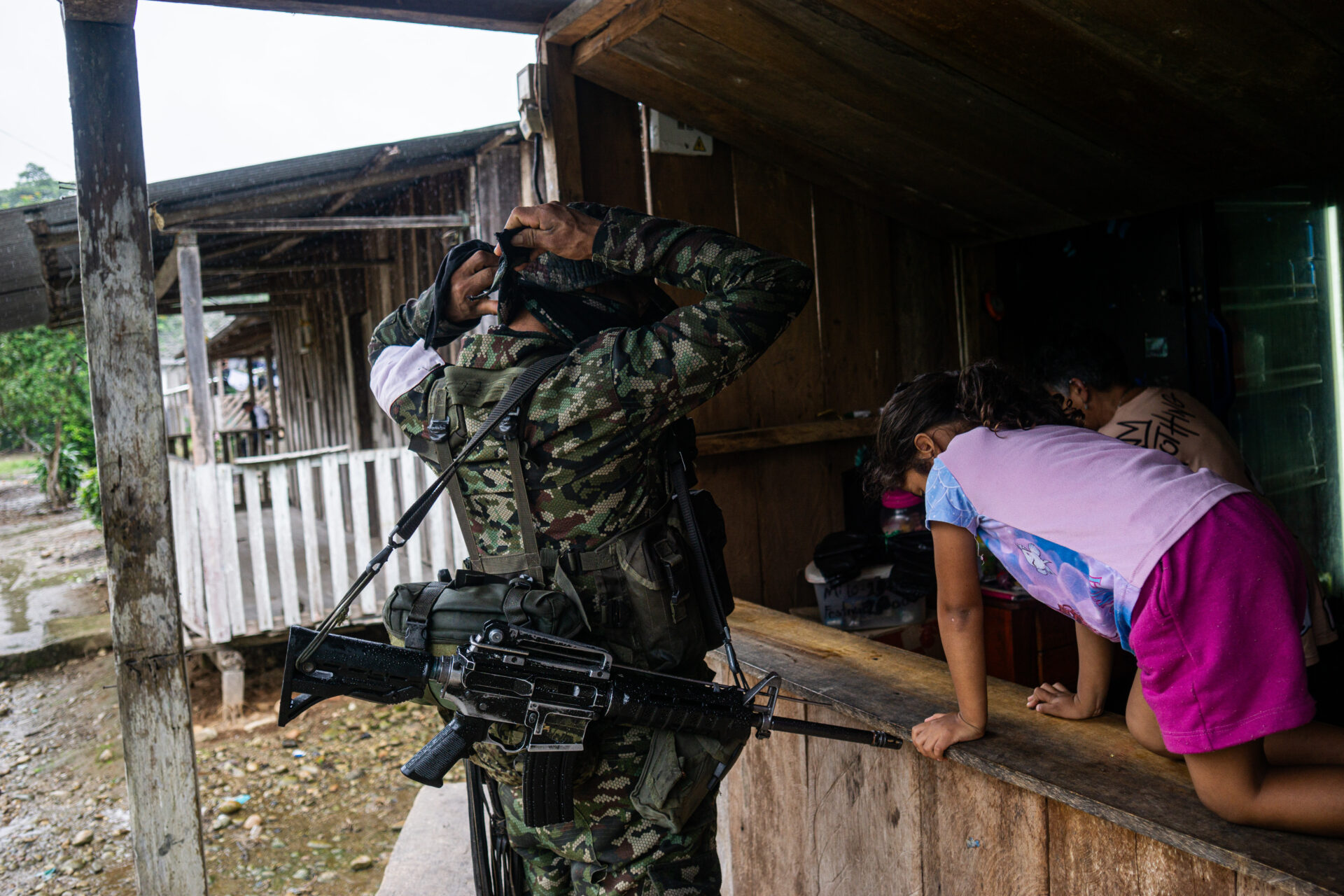
Once recruited, the teenagers are taken to isolated camps and trained for between three and six months, according to the testimonies gathered. After that they take on a variety of roles: guarding coca crops and cocaine laboratories, protecting senior commanders, collecting “cupos” (the group’s term for extortion payments), carrying out forced communal labour such as clearing paths, and gathering intelligence.
On 22 June, security forces raided one of these clandestine camps in San Belín de Yaricaya, a village in Putumayo’s Teniente Manuel Clavero district, according to General Jorge Arévalo Kalinowski, head of the Mariscal Ramón Castilla Unified Command of Putumayo (CUPUMA).
CUPUMA, better known as Comando PUMA, brings together the Peruvian National Police and the army, navy and air force. It was established by supreme decree on 6 December 2025 as a locally focused response to the crime crisis.
According to the Ministry of Defence, the patrols came under fire from long-range weapons, and the group’s members abandoned the site after the clash. A member of the navy, which led the operation, was wounded. Troops found training facilities and logistical supplies.
“The patrol found a trail and decided to follow it (…) This camp had ditches, like trenches, lookout posts and quarters to house between 80 and 100 people. The people fled (…) We also obtained some notes on how they are organised, how much they pay, how they train… There is some interesting intelligence,” Arévalo Kalinowski said.
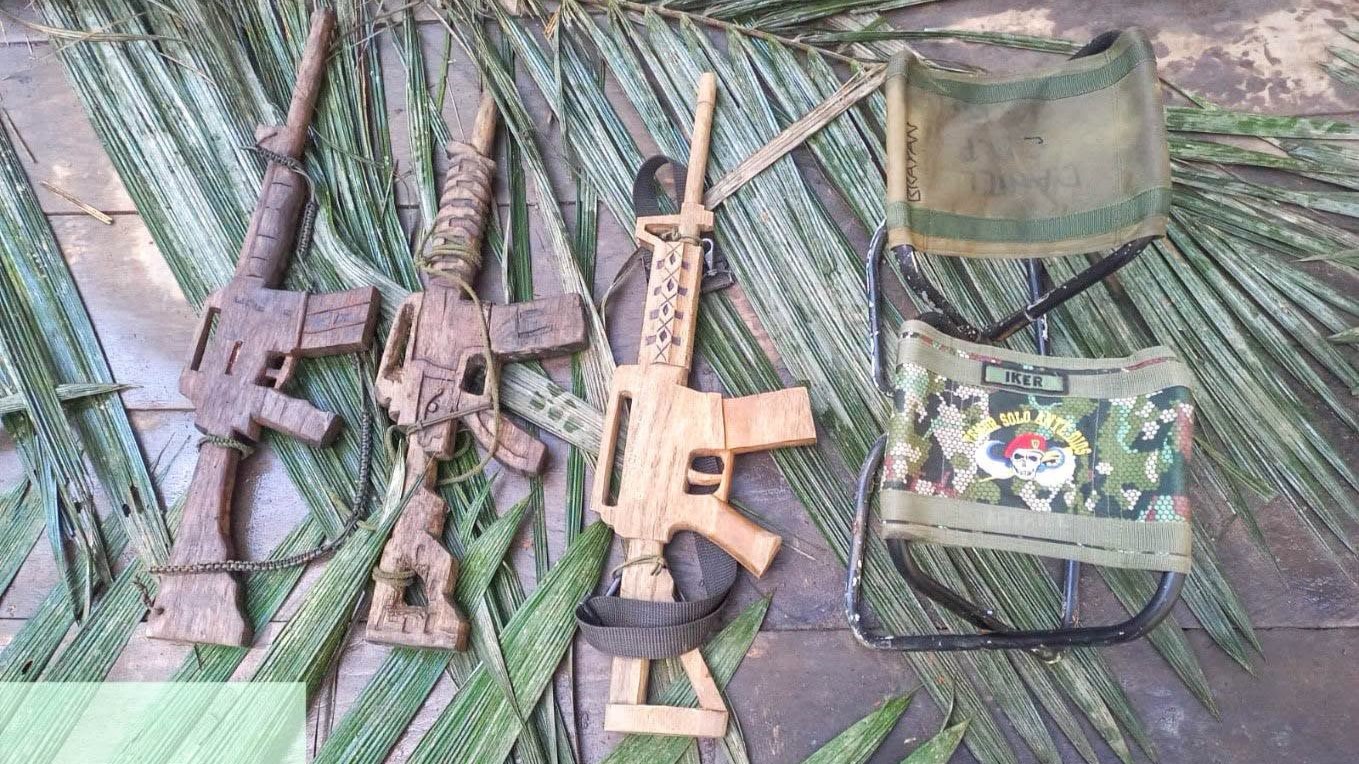
The Comandos de la Frontera’s control over the territory is total. Nobody moves through the Putumayo basin without the organisation knowing. Communities with illicit crops on their land do not control them: CdF members take them over and set production and trading prices. Illegal miners working on the Putumayo River and some of its tributaries must also pay cupos to operate “safely”.
Father Flórez says the CdF stops him from time to time as he travels on the river, and that he has sometimes come across young people he once taught in the church. He says he challenges them, but lovingly, because he still thinks of them as family. When he asks why, the usual answer is that “there was nothing more that could be done”.
“I feel the same love for them, perhaps more because of their situation,” Flórez said. “But what joy do you feel when they manage to get out [of the armed group]? You think they are stuck there, but they get out and rejoin society. They are left deeply scarred, though. Their hearts harden.”
A VOLUNTARY DECISION?
Martínez* is an intercultural bilingual education teacher who has worked in the Putumayo basin for 12 years. He says he has seen several of his pupils join the Comandos de la Frontera, but he does not consider it forced recruitment. International humanitarian law, however, treats any recruitment of minors as forced and as a serious violation.
Throughout the conversation, the teacher refers to the armed group as just another “armed force”.
“I don’t share the idea that there is recruitment,” Martínez said. “What there is, is persuasion, and they join voluntarily. They talk to the young person and say, ‘What do you think about joining?’ Obviously each young person, each child has to decide, right? Sometimes there is no work, no money, no opportunity to get ahead,” he adds.
Failing to distinguish between the Armed Forces, responsible for a country’s national security, and an illegal armed group reveals how power dynamics are understood in a remote territory, especially one far removed from the authorities.
This is why, when a minor is recruited by the CdF, communities do not see it as forced but rather as voluntary. The group first persuades the minor with offers of power and money, then talks to the parents about the future it can provide and finally has this permission validated by the community authority.
The question, however, is how voluntary that decision really is.
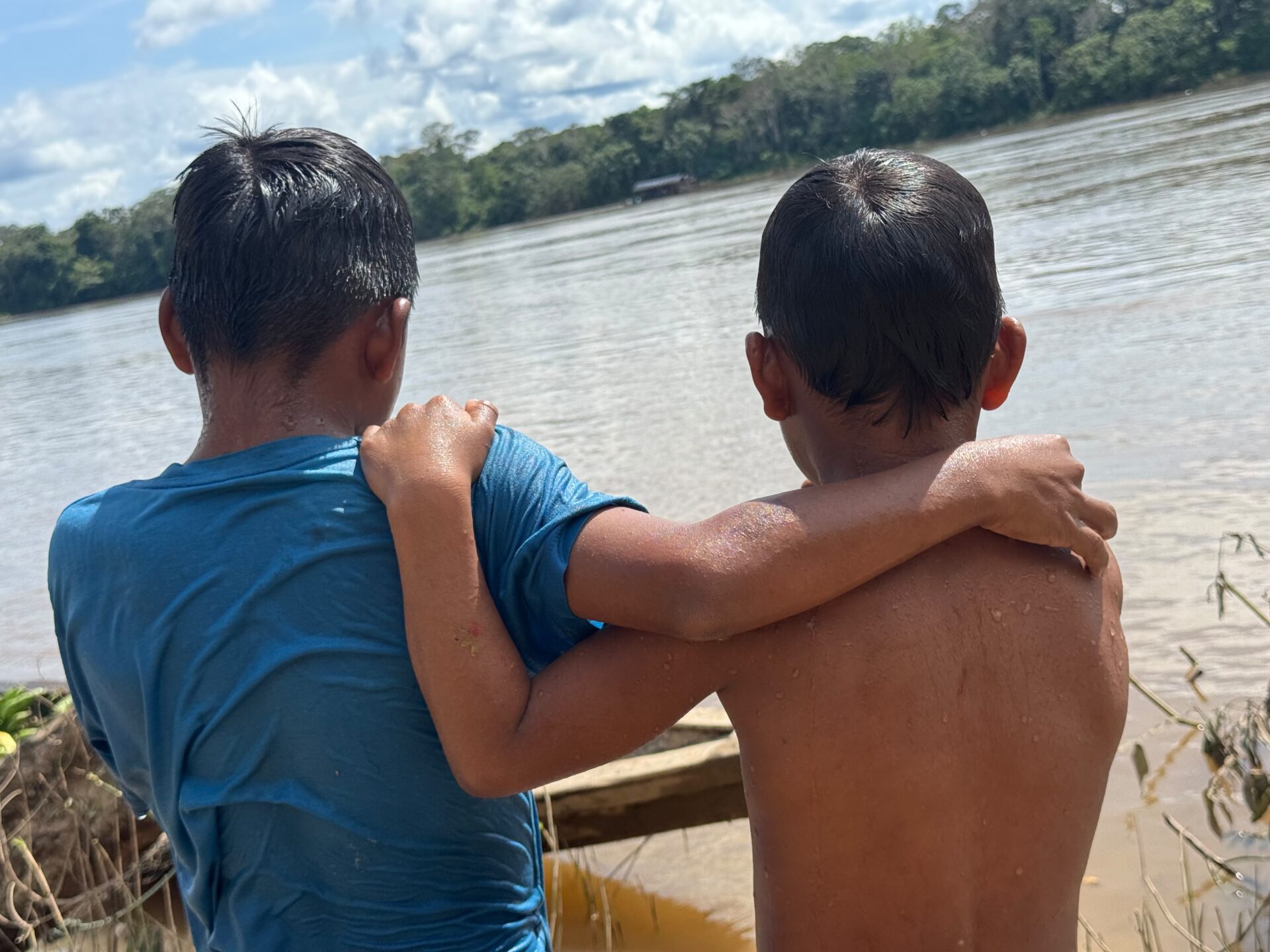
Under international law, a minor has neither the legal capacity nor the cognitive maturity to consent to joining an armed group. The supposedly voluntary enlistment of a child or adolescent is shaped by conditions of extreme vulnerability that strip them of the agency to make their own decisions. Multilateral treaties and international humanitarian law place full criminal responsibility on the adults who recruit them, establishing that the recruitment of minors is always forced. A child cannot grasp the consequences or give genuine consent to engage in war.
Under Law No. 32336, which updated the Penal Code in 2025, an adult who induces or incites children and adolescents to commit crimes faces a sentence of 12 to 25 years in cases of contract killing, aggravated robbery or drug trafficking, or for bringing them into a criminal organisation. If the adult takes advantage of their position, office or family relationship, the penalty can be life imprisonment.
For Father Flórez, the distinction is clear. It is not that a rifle is held to their heads. It is the abandonment by the state that leaves them no other choice. “I am free when I have options and choose what I want,” Flórez said. “But here I am not free.”
OUTSIDE THE STATISTICS
While CUPUMA was raiding the clandestine training camp, the Remanso indigenous community was holding a football tournament to mark the anniversary of its foundation. The news arrived as a rumour. “The Colombians have been in a shootout with the navy,” people murmured during the tournament.
The scene sums up a contradiction. In the same territory where children play football and communities hold their festivals, there are facilities used by an armed group to train its members.
Yet there are no formal complaints that would reveal how many Peruvian minors this armed group has recruited. And the lack of records suggests the state does not regard the situation as a problem.
A source at the Ombudsman’s Office (Defensoría del Pueblo) in Colombia’s Putumayo department says families tend to stay silent about recruitment out of fear, a wish for privacy and mistrust of institutions. Even Colombia, which has been recording the phenomenon for years, has no single, complete figure for recruited minors. The Ombudsman’s Office recorded 257 cases in 2025, though the source stresses that the figures reflect “significant under-reporting”.
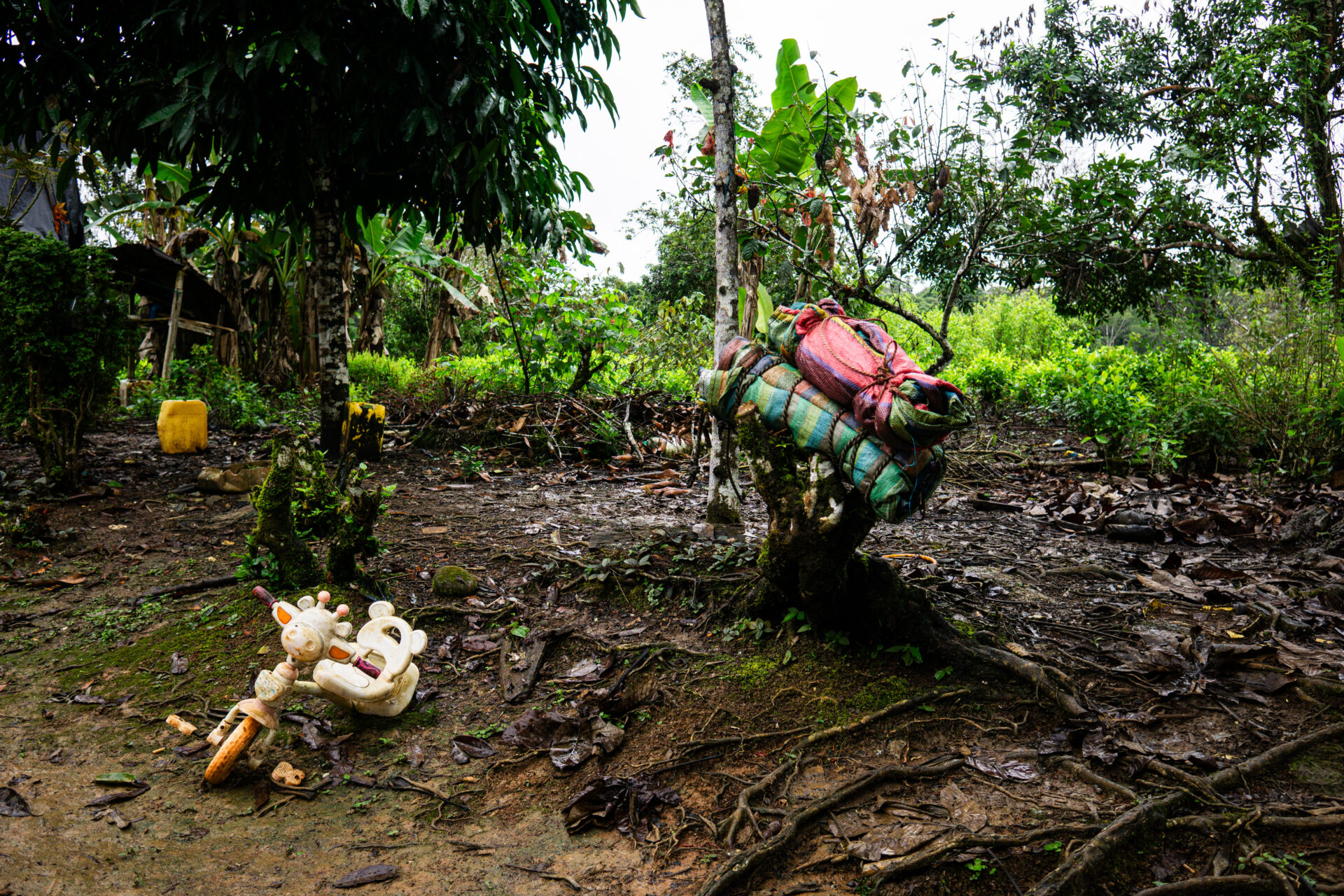
In Peru, Amazon Underworld asked the Ombudsman’s Office, the Ministry of Women and Vulnerable Populations and the Presidency of the Council of Ministers whether they keep records on the recruitment of minors in Putumayo. None had responded by the time of publication.
César Campos, mayor of Putumayo province, acknowledges that national authorities are aware of the problem but avoids giving further details.
“I have a family and my life is also in danger,” he says at first.
“We haven’t received any complaint from any resident of Putumayo. They wouldn’t make one anyway, because there is fear. As I keep telling you, there is no security in the communities,” he says, visibly troubled.
Campos describes run-down police posts, officers without the means to respond and a population that does not believe that reporting a crime could protect them. “We don’t have a stable border policy, a serious policy that protects our children, our boys and girls, our young people, our teenagers,” he concludes.
The absence of complaints creates a cycle that is hard to break. No cases are recorded because families do not report them, and without recorded cases the phenomenon is unlikely to become a state priority.
The problem can exist without statistics. And it can grow precisely because it does not appear in them.
CANNON FODDER
On the other side of the Putumayo River, the armed conflict is changing. Abelardo de la Espriella, Colombia’s new president, has ended the dialogues and peace processes his predecessor Gustavo Petro had opened with several armed groups, including the Coordinadora Nacional Ejército Bolivariano, an umbrella organisation to which the Comandos de la Frontera belong.
The new government has announced a “more forceful” military action against armed groups. Two such operations took place last August in the Amazon department of Guaviare, against two FARC dissident factions fighting over the territory, the Estado Mayor Central (EMC) and the Estado Mayor de Bloques y Frentes (EMBF).
In airstrikes, the military destroyed camps and reported at least 30 dead, including three minors. Under the Petro government, seven minors were also killed in bombings in the same region.
These operations have raised questions about the use of force when minors are involved. Colombia’s courts recently lifted a temporary ban on such bombings, but ruled that the authorities must meet strict conditions and apply IHL rules to verify that children and adolescents are not put at risk.
For minors recruited by the Comandos de la Frontera, Peruvians among them, this new scenario raises an additional concern. Many are absorbed into an armed structure that operates on both sides of the Putumayo River. If the conflict intensifies in Colombia, the exposure of those who have ended up in its ranks may also increase.
For the Ombudsman’s Office in Putumayo, Colombia, the outlook is not encouraging. The problem, they explain, stems from a deep-rooted structure that cannot be solved with action against armed groups alone.
“As long as the state’s response to unmet basic needs is not a reality, these territories remain at risk,” the Ombudsman’s Office source says, referring to health, education, roads and access to services that still do not reach communities adequately.
That is why, the source warns, it is hard to talk about prevention when the conditions that leave children and adolescents exposed to recruitment remain unchanged. “What is the state offering children?” the source asks.
In Putumayo, the answer to that question may determine whether a child stays in their community, crosses the river to join an armed group or ends up trapped in a war being fought ever closer to home.
*Name changed for security reasons.
This investigation was produced with the support of by IPYS-AECID.